
Gout is a painful, inflammatory form of arthritis. Those affected will typically feel an intense stiffness in the joints of their feet, particularly in the big toe. Schedule a visit to learn about how gout can be managed and treated.
Gout is a painful, inflammatory form of arthritis. Those affected will typically feel an intense stiffness in the joints of their feet, particularly in the big toe. Schedule a visit to learn about how gout can be managed and treated.

High heels can change the way the feet support the body and may lead to a variety of painful foot problems. By shifting body weight toward the front of the foot, high heels place extra pressure on the toes and the ball of the foot. This added stress can contribute to conditions such as bunions, hammertoes, and neuromas. Some people also experience heel pain or ankle discomfort after wearing high heels regularly. Symptoms may include aching, burning, or swelling that makes walking uncomfortable. Because these changes often develop gradually, many people do not recognize the effects until pain begins to interfere with everyday activities. A professional evaluation can help determine whether footwear is contributing to foot pain and identify the most appropriate treatment.
Frequent use of high heels may also affect balance, posture, and normal walking mechanics. As the foot remains in a raised position, the muscles and tendons can become tight and place additional stress on nearby joints. This altered movement may increase strain on the ankles, knees, and hips. Changes in weight distribution can also reduce stability and make certain activities less comfortable. A thorough podiatry examination helps identify how footwear is affecting foot structure and overall function. Early diagnosis allows treatment to begin before discomfort becomes more severe or long-term foot problems develop.
A podiatrist specializes in diagnosing and treating foot conditions related to high heels and other footwear concerns. Professional care focuses on relieving pain, improving foot function, and addressing changes in foot alignment caused by prolonged pressure. Treatment is tailored to each patient's condition and activity level while supporting long-term foot health. Regular podiatry care may also help identify developing problems before they worsen or affect mobility. If foot pain, toe deformities, or difficulty walking related to wearing high heels is affecting your daily activities, it is suggested that you consult a podiatrist for an evaluation and appropriate treatment options.
High heels have a history of causing foot and ankle problems. If you have any concerns about your feet or ankles, contact the podiatrists from S.I. Podiatry. Our doctors can provide the care you need to keep you pain-free and on your feet.
Effects of High Heels on the Feet
High heels are popular shoes among women because of their many styles and societal appeal. Despite this, high heels can still cause many health problems if worn too frequently.
Which Parts of My Body Will Be Affected by High Heels?
What Kinds of Foot Problems Can Develop from Wearing High Heels?
How Can I Still Wear High Heels and Maintain Foot Health?
If you want to wear high heeled shoes, make sure that you are not wearing them every day, as this will help prevent long term physical problems. Try wearing thicker heels as opposed to stilettos to distribute weight more evenly across the feet. Always make sure you are wearing the proper shoes for the right occasion, such as sneakers for exercising. If you walk to work, try carrying your heels with you and changing into them once you arrive at work. Adding inserts to your heels can help cushion your feet and absorb shock. Full foot inserts or metatarsal pads are available.
If you have any questions, please feel free to contact our office located in Staten Island, NY . We offer the newest diagnostic and treatment technologies for all your foot care needs.
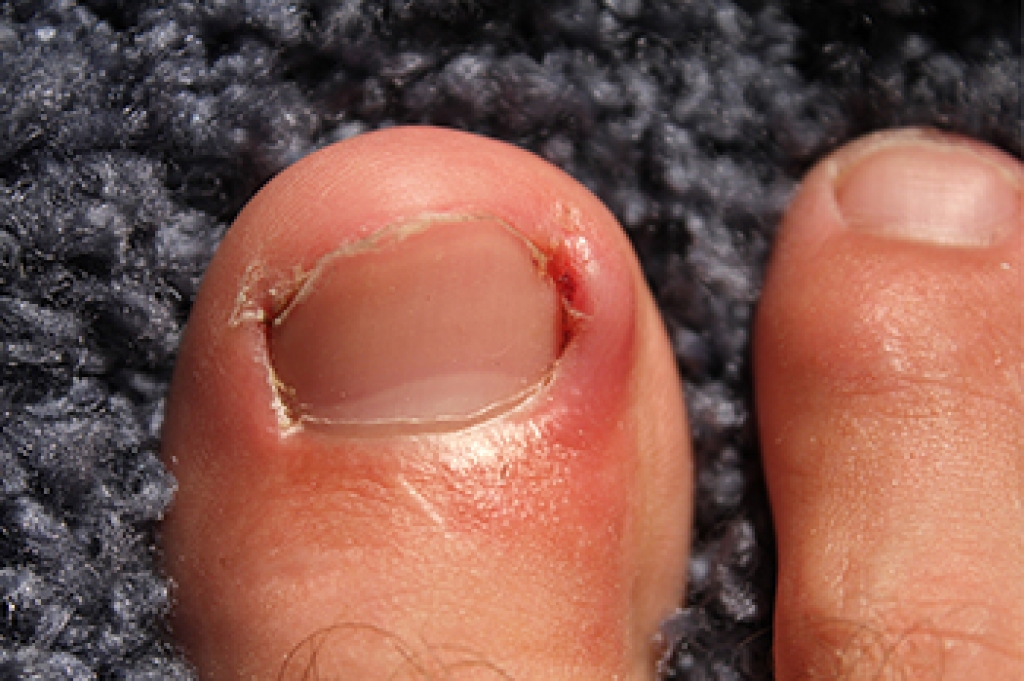
An ingrown toenail develops when the edge of a toenail grows into the surrounding skin instead of over it. This problem most often affects the big toe and can become increasingly painful if left untreated. Early symptoms include tenderness, swelling, and redness along the edge of the nail. As the nail continues to press into the skin, the area can become warm, inflamed, or at risk of an infection. Walking, exercising, or wearing shoes can become uncomfortable because of the added pressure on the affected toe. Several factors can contribute to ingrown toenails, including improper nail trimming, toe injuries, and naturally curved nails. A professional evaluation is important to confirm the diagnosis and determine the most appropriate treatment before the condition worsens.
Without proper care, an ingrown toenail may continue to irritate the surrounding skin and increase the risk of infection. In some cases, the tissue around the nail becomes swollen and may begin to grow over the nail's edge. Persistent pain can also affect normal walking patterns, placing additional stress on other parts of the foot. Individuals with diabetes or poor circulation may face a greater risk of complications because healing can take longer. A comprehensive podiatry examination helps evaluate the severity of the ingrown toenail while identifying any signs of infection or underlying foot conditions. Early diagnosis allows treatment to begin before the problem becomes more painful or leads to additional complications.
A podiatrist specializes in diagnosing and treating ingrown toenails, while protecting the overall health of the foot. Professional treatment focuses on relieving pain, reducing inflammation, and preventing future complications. Care is tailored to each patient's condition and may include procedures designed to safely correct the problem. Regular podiatry visits also allow ongoing monitoring for patients who are at higher risk of recurring nail problems. If you have persistent toe pain, swelling, or signs of an ingrown toenail, it is suggested that you consult a podiatrist for an evaluation and appropriate treatment options.
Ingrown toenails can become painful if they are not treated properly. For more information about ingrown toenails, contact the podiatrists of S.I. Podiatry. Our doctors can provide the care you need to keep you pain-free and on your feet.
Ingrown Toenails
Ingrown toenails occur when a toenail grows sideways into the bed of the nail, causing pain, swelling, and possibly infection.
Causes
Prevention
Wearing proper fitting shoes and using proper cutting techniques will also help decrease your risk of developing ingrown toenails.
Treatment
Ingrown toenails are a very treatable foot condition. In minor cases, soaking the affected area in salt or antibacterial soaps will not only help with the ingrown nail itself, but also help prevent any infections from occurring. In more severe cases, surgery is an option. In either case, speaking to your podiatrist about this condition will help you get a better understanding of specific treatment options that are right for you.
If you have any questions, please feel free to contact our office located in Staten Island, NY . We offer the newest diagnostic and treatment technologies for all your foot care needs.
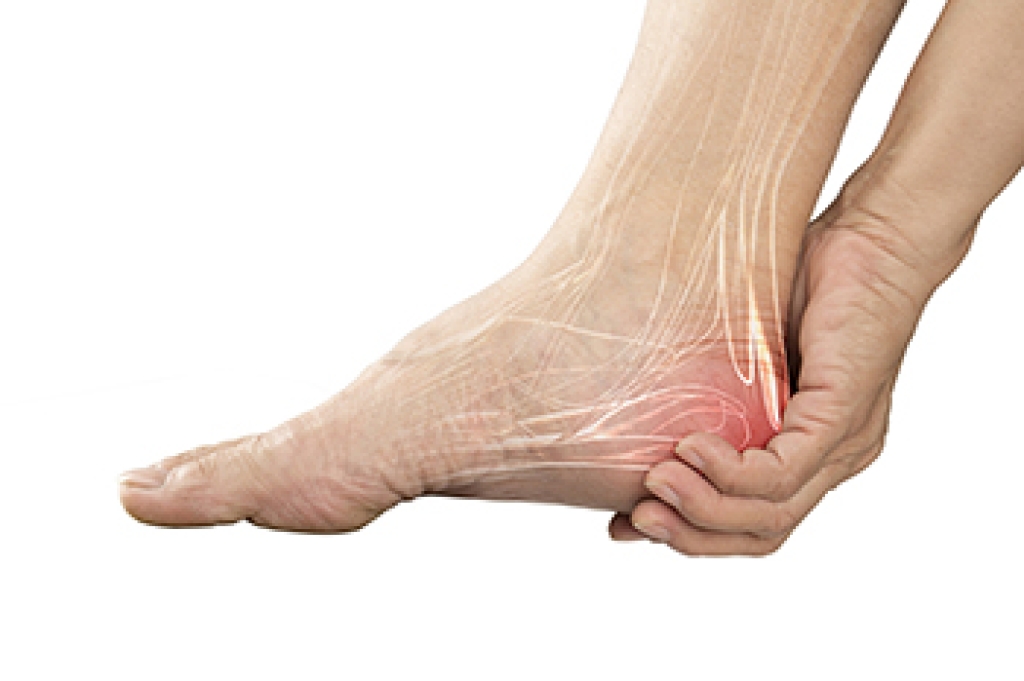
Heel pain is a frequent foot complaint that can affect people of all ages and activity levels. It occurs when the structures that support the heel become irritated or inflamed. The heel absorbs significant impact during walking and running, which makes it vulnerable to stress and injury. Pain may develop gradually or suddenly, depending on the cause. Common types of heel pain involve the plantar fascia and the Achilles tendon, both of which play essential roles in foot movement and stability.
Symptoms of heel pain can vary based on the underlying condition, but often include swelling, stiffness, and discomfort during movement. Some individuals may experience numbness or a tingling sensation in the heel or surrounding areas. Pain is often worse in the morning or after periods of rest, and may improve with light activity before returning with prolonged use. Tenderness at the bottom or back of the heel is common, and pressure on the area may increase discomfort. These symptoms can interfere with daily routines and physical activity.
Several conditions can cause heel pain. Plantar fasciitis is one of the most common, involving inflammation of the band of tissue that runs along the bottom of the foot. Heel spurs, which are bony growths on the heel bone, may develop alongside plantar fasciitis and contribute to pain. Achilles tendonitis affects the tendon at the back of the heel and is often linked to overuse or strain. Each condition involves different structures but can produce similar symptoms that require careful evaluation.
Risk factors for heel pain include prolonged standing, high-impact activities, and poor foot mechanics. Obesity and aging can also increase stress on the heel. Tight calf muscles and lack of flexibility may further contribute to discomfort. Early care is important to prevent chronic issues and support recovery. If you have heel pain, it is suggested that you promptly consult a podiatrist for an accurate diagnosis and appropriate treatment.
Many people suffer from bouts of heel pain. For more information, contact the podiatrists of S.I. Podiatry. Our doctors can provide the care you need to keep you pain-free and on your feet.
Causes of Heel Pain
Heel pain is often associated with plantar fasciitis. The plantar fascia is a band of tissues that extends along the bottom of the foot. A rip or tear in this ligament can cause inflammation of the tissue.
Achilles tendonitis is another cause of heel pain. Inflammation of the Achilles tendon will cause pain from fractures and muscle tearing. Lack of flexibility is also another symptom.
Heel spurs are another cause of pain. When the tissues of the plantar fascia undergo a great deal of stress, it can lead to ligament separation from the heel bone, causing heel spurs.
Why Might Heel Pain Occur?
Treatments
Heel pain should be treated as soon as possible for immediate results. Keeping your feet in a stress-free environment will help. If you suffer from Achilles tendonitis or plantar fasciitis, applying ice will reduce the swelling. Stretching before an exercise like running will help the muscles. Using all these tips will help make heel pain a condition of the past.
If you have any questions, please feel free to contact our office located in Staten Island, NY . We offer the newest diagnostic and treatment technologies for all your foot care needs.

Foot blisters are fluid-filled pockets that form on the upper layers of the skin as a protective response to irritation or damage. They commonly develop on areas of the feet that experience repeated pressure or rubbing. While often minor, blisters can become painful and interfere with walking and daily movement. The body creates these small sacs to cushion underlying tissue and promote healing. Understanding how foot blisters form can help individuals reduce discomfort and avoid further skin damage.
Symptoms of foot blisters usually begin with redness and sensitivity in the affected area. As the condition develops, a raised bubble filled with clear fluid may appear. The surrounding skin can feel sore or tender, especially when pressure is applied. In some cases, blisters may break open, leading to exposed skin that is more vulnerable to infection. Additional symptoms can include swelling, irritation, and difficulty wearing shoes comfortably.
Several causes contribute to the formation of foot blisters. Friction from repetitive rubbing is one of the most common factors, often linked to tight or poorly fitting footwear. Heat can increase moisture and soften the skin, making it more prone to irritation. Extreme cold may also damage the skin and lead to blister formation in certain conditions. Allergic reactions to materials in shoes or socks can trigger skin irritation and blistering. These factors can act alone or together to weaken the skin barrier.
Risk factors include prolonged walking or standing, wearing improper footwear, excessive sweating, and exposure to harsh environmental conditions. Individuals who engage in physical activity or wear new shoes without proper adjustment may be at greater risk. Preventive measures include choosing well-fitting shoes, keeping feet dry, and using protective padding in high-friction areas. Early care can reduce discomfort and support healing. If you frequently get foot blisters, or have one that is not healing, it is suggested that you consult a podiatrist for effective treatment and additional prevention tips.
Blisters may appear as a single bubble or in a cluster. They can cause a lot of pain and may be filled with pus, blood, or watery serum. If your feet are hurting, contact the podiatrists of S.I. Podiatry. Our doctors can provide the care you need to keep you pain-free and on your feet.
Foot Blisters
Foot blisters are often the result of friction. This happens due to the constant rubbing from shoes, which can lead to pain.
What Are Foot Blisters?
A foot blister is a small fluid-filled pocket that forms on the upper-most layer of the skin. Blisters are filled with clear fluid and can lead to blood drainage or pus if the area becomes infected.
Symptoms
(Blister symptoms may vary depending on what is causing them)
Prevention & Treatment
In order to prevent blisters, you should be sure to wear comfortable shoes with socks that cushion your feet and absorb sweat. Breaking a blister open may increase your chances of developing an infection. However, if your blister breaks, you should wash the area with soap and water immediately and then apply a bandage to the affected area. If your blisters cause severe pain it is important that you call your podiatrist right away.
If you have any questions, please feel free to contact our office located in Staten Island, NY . We offer the newest diagnostic and treatment technologies for all your foot care needs.
Connect With Us
