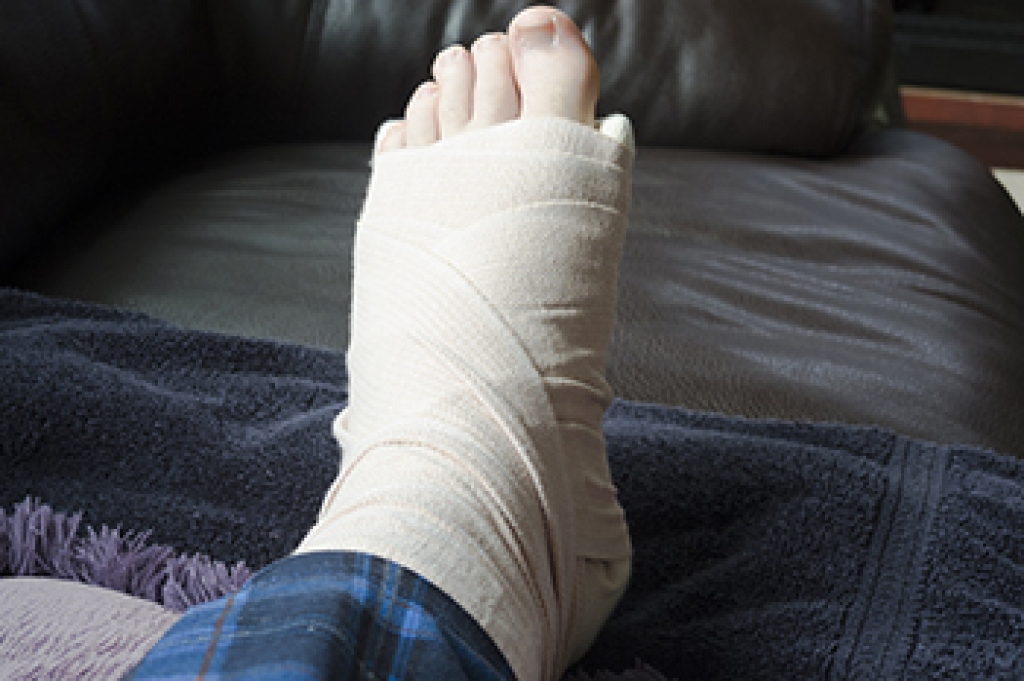
Surgery for a Broken Foot

When a foot bone fracture occurs, proper healing is critical for recovery. Treatment options vary based on factors, such as the fracture's severity and location. While some fractures can heal with casts, others necessitate more invasive approaches, like bone fracture repair, also known as open reduction and internal fixation, or ORIF, surgery. ORIF surgery is recommended when a broken bone cannot heal adequately with casting or splinting alone. This is often the case with compound fractures, where the bone breaks through the skin, or fractures involving joints, which can impact mobility. Recovery typically takes six to eight weeks, with initial pain, swelling, and numbness managed through painkillers, rest, and elevation. If you have broken your foot and it is a severe break or is not responding to customary conservative treatment measures, it is suggested that you schedule an appointment with a podiatrist to discuss whether surgery is an appropriate option for you.

A broken foot requires immediate medical attention and treatment. If you need your feet checked, contact Dr. Rouder from S.I. Podiatry. Our doctor can provide the care you need to keep you pain-free and on your feet.

Broken Foot Causes, Symptoms, and Treatment

A broken foot is caused by one of the bones in the foot typically breaking when bended, crushed, or stretched beyond its natural capabilities. Usually the location of the fracture indicates how the break occurred, whether it was through an object, fall, or any other type of injury. 

Common Symptoms of Broken Feet:

  • Bruising
  • Pain
  • Redness
  • Swelling
  • Blue in color
  • Numbness
  • Cold
  • Misshapen
  • Cuts
  • Deformities

Those that suspect they have a broken foot shoot seek urgent medical attention where a medical professional could diagnose the severity.

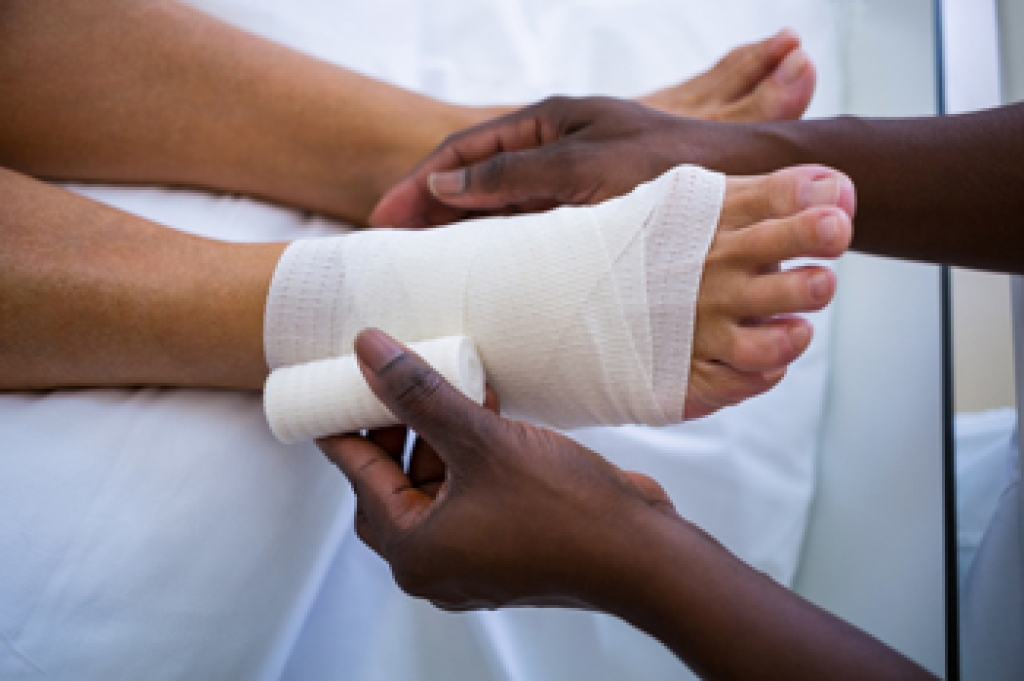
Treatment for broken bones varies depending on the cause, severity and location. Some will require the use of splints, casts or crutches while others could even involve surgery to repair the broken bones. Personal care includes the use of ice and keeping the foot stabilized and elevated.

If you have any questions, please feel free to contact our office located in Staten Island, NY . We offer the newest diagnostic and treatment technologies for all your foot care needs.
Read more about Causes, Symptoms, and Treatment for a Broken Foot

How Peripheral Artery Disease Affects the Feet

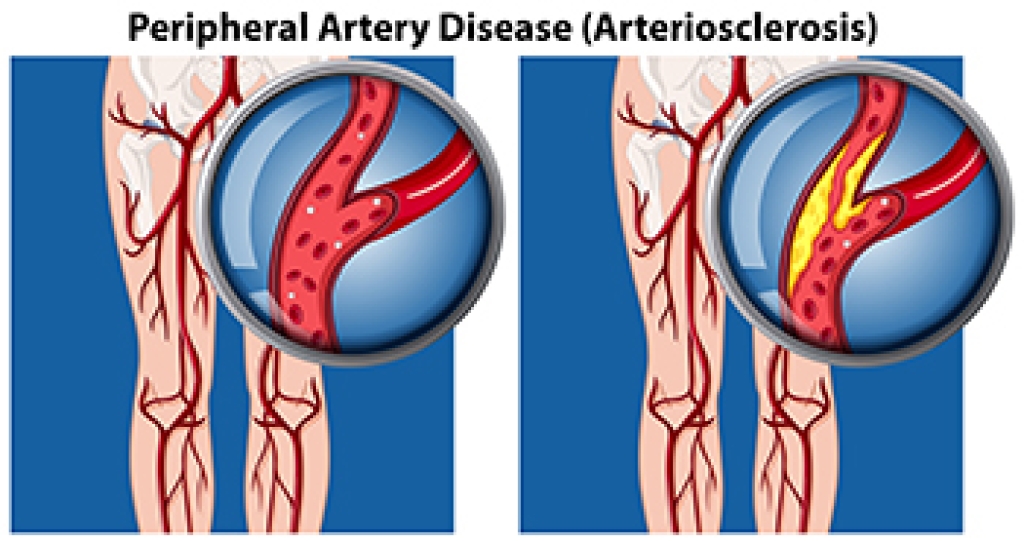
Peripheral artery disease, or PAD, is a condition akin to coronary artery disease and carotid artery disease. It affects arteries outside the heart and brain, particularly in the legs and feet. Peripheral artery disease involves the accumulation of fatty deposits on the inner linings of artery walls, narrowing the arteries and impeding blood flow. This reduction in blood circulation causes pain during activities such as walking, in addition to slow healing foot wounds, temperature disparities between feet, and potential development of gangrene. Severe cases may necessitate removal of the affected toe, foot, or leg. Individuals with diabetes face an elevated risk of PAD, which is further heightened by additional factors, including being overweight or obesity, physical inactivity, smoking, and high blood pressure. In addition, those with high LDL cholesterol, a family history of cardiovascular diseases, stroke, or a previous history of coronary artery disease or stroke are at higher risk of developing PAD. Early detection and intervention along with lifestyle changes, medication, and, in some instances, surgical procedures, can effectively manage PAD. If you have symptoms or risk factors of peripheral artery disease, it is suggested that you schedule an appointment with a podiatrist who is specially trained to manage this condition. 

Peripheral artery disease can pose a serious risk to your health. It can increase the risk of stroke and heart attack. If you have symptoms of peripheral artery disease, consult with Dr. Rouder from S.I. Podiatry. Our doctor will assess your condition and provide you with quality foot and ankle treatment.

Peripheral artery disease (PAD) is when arteries are constricted due to plaque (fatty deposits) build-up. This results in less blood flow to the legs and other extremities. The main cause of PAD is atherosclerosis, in which plaque builds up in the arteries.

Symptoms

Symptoms of PAD include:

  • Claudication (leg pain from walking)
  • Numbness in legs
  • Decrease in growth of leg hair and toenails
  • Paleness of the skin
  • Erectile dysfunction
  • Sores and wounds on legs and feet that won’t heal
  • Coldness in one leg

It is important to note that a majority of individuals never show any symptoms of PAD.

Diagnosis

While PAD occurs in the legs and arteries, Podiatrists can diagnose PAD. Podiatrists utilize a test called an ankle-brachial index (ABI). An ABI test compares blood pressure in your arm to you ankle to see if any abnormality occurs. Ultrasound and imaging devices may also be used.

Treatment

Fortunately, lifestyle changes such as maintaining a healthy diet, exercising, managing cholesterol and blood sugar levels, and quitting smoking, can all treat PAD. Medications that prevent clots from occurring can be prescribed. Finally, in some cases, surgery may be recommended.

If you have any questions, please feel free to contact our office located in Staten Island, NY . We offer the newest diagnostic and treatment technologies for all your foot care needs.

Read more about Peripheral Artery Disease

Assessing Diabetic Foot Ulcers

Diabetic foot ulcers are difficult wounds to heal because they can be caused by many factors. Podiatrists have different ways to treat these ulcers, including looking at blood flow problems. Neuroischemic ulcers develop from poor blood flow and nerve damage in the feet, making up approximately half of the cases of diabetic foot ulcers. When a patient has a diabetic foot ulcer, a podiatrist looks at their entire health history, asks about their daily habits, and checks how well they can move and complete everyday activities. The foot doctor also needs to know what medications the patient is taking, as some can slow down healing. All this information helps them determine the best way to treat the ulcer. The top goals are to find out what is causing the ulcer, determine how to stop it from getting worse and encourage the patient to follow the treatment plan. If you have diabetes and have developed a foot ulcer, it is strongly suggested that you make an appointment with a podiatrist as quickly as possible for a thorough assessment, examination, and treatment plan.

Wound care is an important part in dealing with diabetes. If you have diabetes and a foot wound or would like more information about wound care for diabetics, consult with Dr. Rouder from S.I. Podiatry. Our doctor will assess your condition and provide you with quality foot and ankle treatment.

What Is Wound Care?

Wound care is the practice of taking proper care of a wound. This can range from the smallest to the largest of wounds. While everyone can benefit from proper wound care, it is much more important for diabetics. Diabetics often suffer from poor blood circulation which causes wounds to heal much slower than they would in a non-diabetic. 

What Is the Importance of Wound Care?

While it may not seem apparent with small ulcers on the foot, for diabetics, any size ulcer can become infected. Diabetics often also suffer from neuropathy, or nerve loss. This means they might not even feel when they have an ulcer on their foot. If the wound becomes severely infected, amputation may be necessary. Therefore, it is of the upmost importance to properly care for any and all foot wounds.

How to Care for Wounds

The best way to care for foot wounds is to prevent them. For diabetics, this means daily inspections of the feet for any signs of abnormalities or ulcers. It is also recommended to see a podiatrist several times a year for a foot inspection. If you do have an ulcer, run the wound under water to clear dirt from the wound; then apply antibiotic ointment to the wound and cover with a bandage. Bandages should be changed daily and keeping pressure off the wound is smart. It is advised to see a podiatrist, who can keep an eye on it.

If you have any questions please contact our office located in Staten Island, NY . We offer the newest diagnostic and treatment technologies for all your foot and ankle needs.

Read more about Wound Care

How to Select the Ideal Running Shoe

Choosing the right running shoe is a critical decision that directly impacts both comfort and performance. Different foot types and running styles necessitate a personalized approach to ensure the perfect fit. For those individuals with high arches, cushioned shoes with ample shock absorption help absorb impact and provide essential support. Conversely, individuals with low arches or flat feet benefit from stability shoes that offer extra arch support and motion control. Runners who overpronate or supinate require shoes designed to address their specific gait patterns, preventing potential injuries. Determining your foot type and understanding your running mechanics are pivotal in guiding the selection process. Ultimately, investing time in finding the right running shoe tailored to your individual needs enhances not only the running experience but also safeguards against potential discomfort and injury. If you would like specific information about how to find the right running shoes for your needs, it is suggested that you consult a podiatrist.

If you are a runner, wearing the right running shoe is essential. For more information, contact Dr. Rouder from S.I. Podiatry. Our doctor can provide the care you need to keep you pain-free and on your feet.

Choosing the Right Running Shoe for Your Foot Type

To increase performance and avoid the risk of injury, it is important to choose the right running shoe based on your foot type. The general design of running shoes revolves around pronation, which is how the ankle rolls from outside to inside when the foot strikes the ground.

  • Neutral runners are able to choose from a wide variety of shoes, including minimalist shoes or even going barefoot.
  • Runners who overpronate, or experience an over-abundance of ankle rolling, should choose shoes that provide extra motion control and stability.
  • Runners who underpronate, or supinate, have feet that have high arches and lack flexibility, preventing shock absorption. They require shoes with more flexibility and cushion.

If you have any questions, please feel free to contact our office located in Staten Island, NY . We offer the newest diagnostic and treatment technologies for all your foot care needs.
Read more about Choosing the Right Running Shoe for Your Foot Type

Connect With Us