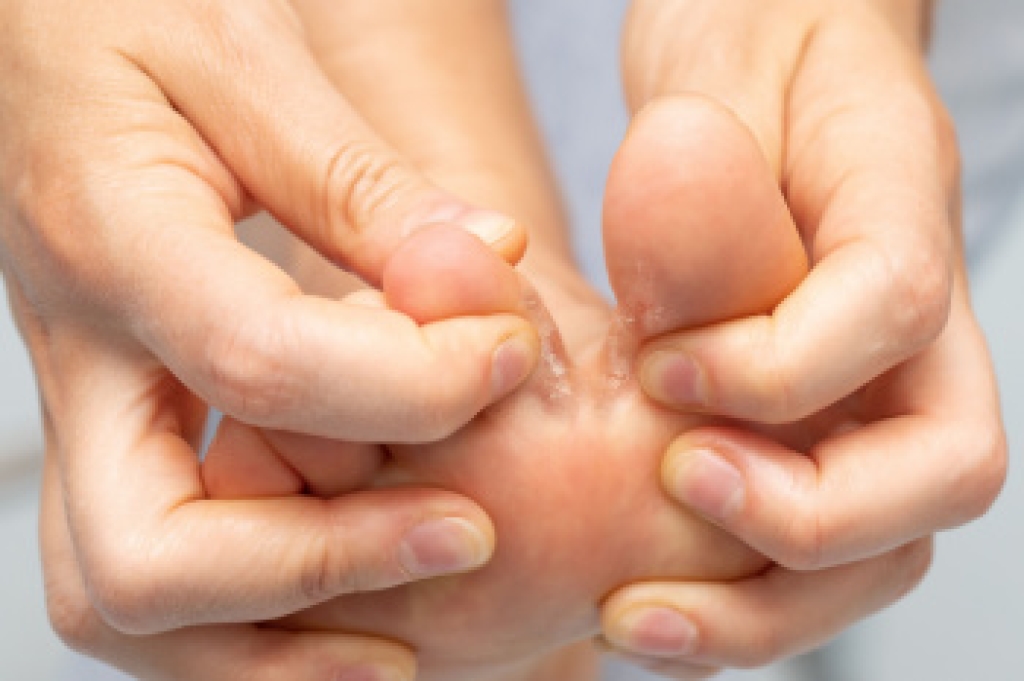
Recognizing the Warning Signs of Athlete's Foot

Athlete's foot is a fungal infection that affects the skin of the feet, usually between the toes. It commonly develops on the skin between the toes, on the bottoms of the feet, and around the toe pads. Athlete's foot is highly contagious. It can spread through contact with contaminated surfaces, footwear, or shared facilities, like pools, shower areas, and gym locker rooms. Early signs include itching, redness, and burning sensations. Some people notice dry skin or mild discomfort when walking. Others develop skin irritation that becomes more noticeable as the infection progresses. In some cases, the infection affects one foot. It can also spread to both feet and become more difficult to manage.

Athlete's foot can appear in several forms. One common type causes cracked skin, peeling, and soreness between the toes. Another form creates a dry, scaly rash along the bottom and sides of the foot. This pattern is sometimes called moccasin-type athlete's foot because it follows the shape of a moccasin shoe. More severe infections include blisters, painful sores, and areas of inflamed skin. Some people experience persistent itching without obvious skin changes. Others develop thickened, flaky skin that resembles severe dryness. When bacteria enter damaged skin, additional symptoms include swelling, drainage, and increased pain. These signs require prompt medical attention from a podiatrist.

A podiatrist can diagnose athlete's foot by examining the affected skin and evaluating symptoms. In some cases, a small skin sample is collected and examined to confirm the presence of fungus. Professional treatment focuses on eliminating the infection and preventing complications. Untreated athlete's foot can continue to spread and lead to ongoing skin damage. It can also affect the toenails, causing discoloration and thickening. If you have symptoms of an athlete's foot infection, it is suggested that you schedule an appointment with a podiatrist for a diagnosis and effective relief and treatment plan.

Athlete’s Foot

Athlete’s foot is often an uncomfortable condition to experience. Thankfully, podiatrists specialize in treating athlete’s foot and offer the best treatment options. If you have any questions about athlete’s foot, consult with the podiatrists from S.I. Podiatry. Our doctors will assess your condition and provide you with quality treatment.

What Is Athlete’s Foot?

Tinea pedis, more commonly known as athlete’s foot, is a non-serious and common fungal infection of the foot. Athlete’s foot is contagious and can be contracted by touching someone who has it or infected surfaces. The most common places contaminated by it are public showers, locker rooms, and swimming pools. Once contracted, it grows on feet that are left inside moist, dark, and warm shoes and socks.

Prevention

The most effective ways to prevent athlete’s foot include:

  • Thoroughly washing and drying feet
  • Avoid going barefoot in locker rooms and public showers
  • Using shower shoes in public showers
  • Wearing socks that allow the feet to breathe
  • Changing socks and shoes frequently if you sweat a lot

Symptoms

Athlete’s foot initially occurs as a rash between the toes. However, if left undiagnosed, it can spread to the sides and bottom of the feet, toenails, and if touched by hand, the hands themselves. Symptoms include:

  • Redness
  • Burning
  • Itching
  • Scaly and peeling skin

Diagnosis and Treatment

Diagnosis is quick and easy. Skin samples will be taken and either viewed under a microscope or sent to a lab for testing. Sometimes, a podiatrist can diagnose it based on simply looking at it. Once confirmed, treatment options include oral and topical antifungal medications.

If you have any questions, please feel free to contact our office located in Staten Island, NY . We offer the newest diagnostic and treatment technologies for all your foot care needs.

Read more about Athlete's Foot

Foot and Ankle Pain in Dancers

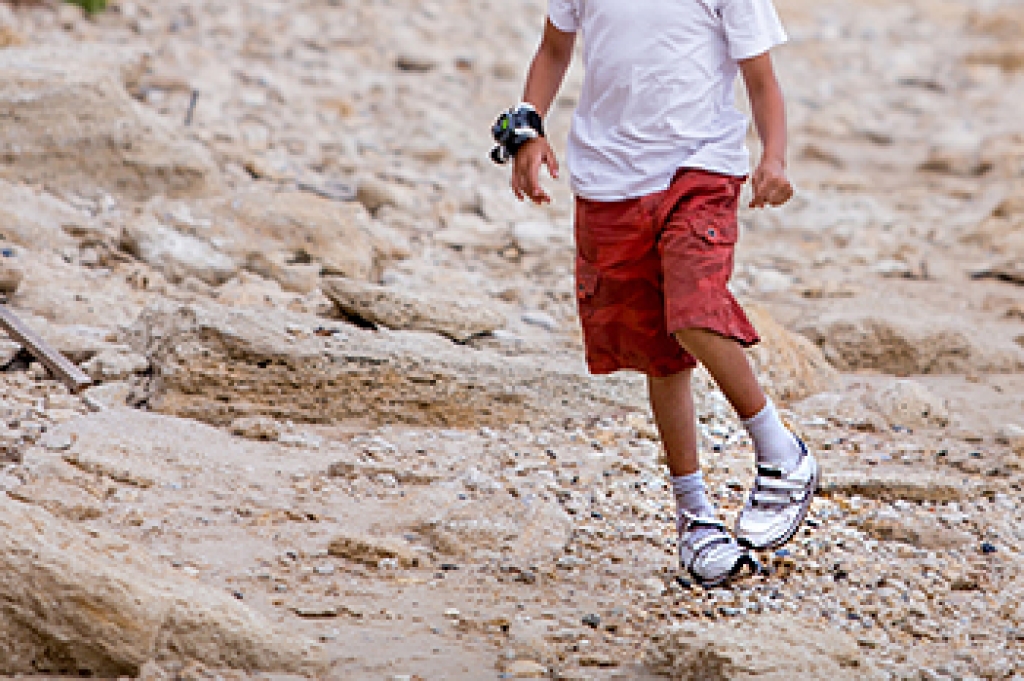
Pain in the feet and ankles is extremely common among young dancers training at an advanced level. Different dance styles place unique demands on the body, which can affect where and how often injuries occur. Ballet, for example, tends to show the greatest overall number of dancers dealing with foot and ankle discomfort, likely due to repetitive movements like pointe work and strict technique. On the other hand, contemporary dance often sees more new cases developing over time, possibly because of its dynamic and unpredictable movements. The location of pain can also vary depending on the style, with certain areas of the foot or ankle being stressed more in specific genres. Understanding these patterns can help dancers and coaches focus on prevention, proper technique, and recovery strategies. If you are a dancer and have persistent foot or ankle discomfort, it is suggested that you schedule an appointment with a podiatrist for a proper diagnosis and appropriate treatment.

Ankle and foot injuries are common among athletes and in many sports. They can be caused by several problems and may be potentially serious. If you are feeling pain or think you were injured in a sporting event or when exercising, consult with the podiatrists from S.I. Podiatry. Our doctors will assess your condition and provide you with quality foot and ankle treatment.

Common Injuries

The most common injuries that occur in sporting activities include:

  • Achilles Tendonitis
  • Achilles Tendon Rupture
  • Ankle Sprains
  • Broken Foot
  • Plantar Fasciitis
  • Stress Fractures
  • Turf Toe

Symptoms

Symptoms vary depending upon the injury and in some cases, there may be no symptoms at all. However, in most cases, some form of symptom is experienced. Pain, aching, burning, bruising, tenderness, tightness or stiffness, sensation loss, difficulty moving, and swelling are the most common symptoms.

Treatment

Just as symptoms vary depending upon the injury, so do treatment options. A common treatment method is known as the RICE method. This method involves rest, applying ice, compression and elevating the afflicted foot or ankle. If the injury appears to be more serious, surgery might be required, such as arthroscopic or reconstructive surgery. Lastly, rehabilitation or therapy might be needed to gain full functionality in the afflicted area. Any discomfort experienced by an athlete must be evaluated by a licensed, reputable medical professional.  

If you have any questions please contact our office located in Staten Island, NY . We offer the newest diagnostic and treatment technologies for all your foot and ankle needs.

Read more about Sports Related Foot and Ankle Injuries

Understanding Clubfoot in Children

Clubfoot is a condition present at birth where a baby’s foot is twisted out of its normal position, often pointing downward and inward. It can affect one or both feet and may appear smaller or tighter than usual. The exact cause is not always known, but it is linked to abnormal development of muscles, tendons, and bones in the foot before birth. Risk factors may include family history, certain genetic conditions, or limited space in the womb during pregnancy. Without treatment, walking may become difficult as the child grows and the foot remains stiff or misaligned. Early treatment is important, and often involves stretching, casting, bracing, or other corrective methods guided by a specialist. A podiatrist can help assess severity, monitor progress, and support long term foot function and alignment. If your child has been born with this condition, it is suggested that you include a podiatrist on your healthcare team for optimal support and corrective healing.

Congenital foot problems require immediate attention to avoid future complications. If you have any concerns, contact the podiatrists of S.I. Podiatry. Our doctors can provide the care you need to keep you pain-free and on your feet.

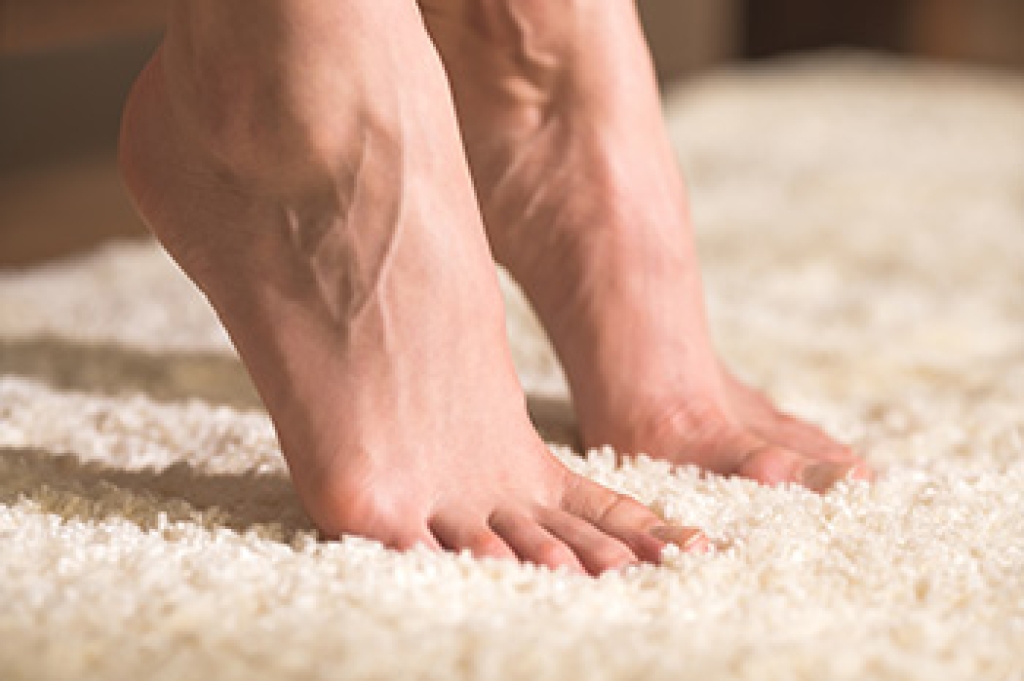
Congenital foot problems are deformities affecting the feet, toes, and/or ankles that children are born with. Some of these conditions have a genetic cause while others just happen. Some specific foot ailments that children may be born with include clubfeet, polydactyly/macrodactyly, and cleft foot. There are several other foot anomalies that can occur congenitally. What all of these conditions have in common is that a child may experience difficulty walking or performing everyday activities, as well as trouble finding footwear that fits their foot deformity. Some of these conditions are more serious than others. Consulting with a podiatrist as early as possible will help in properly diagnosing a child’s foot condition while getting the necessary treatment underway.

What are Causes of Congenital Foot Problem?

A congenital foot problem is one that happens to a child at birth. These conditions can be caused by a genetic predisposition, developmental or positional abnormalities during gestation, or with no known cause.

What are Symptoms of Congenital Foot Problems?

Symptoms vary by the congenital condition. Symptoms may consist of the following:

  • Clubfoot, where tendons are shortened, bones are shaped differently, and the Achilles tendon is tight, causing the foot to point in and down. It is also possible for the soles of the feet to face each other.
  • Polydactyly, which usually consists of a nubbin or small lump of tissue without a bone, a toe that is partially formed but has no joints, or an extra toe.
  • Vertical talus, where the talus bone forms in the wrong position causing other bones in the foot to line up improperly, the front of the foot to point up, and the bottom of the foot to stiffen, with no arch, and to curve out.
  • Tarsal coalition, when there is an abnormal connection of two or more bones in the foot leading to severe, rigid flatfoot.
  • Cleft foot, where there are missing toes, a V-shaped cleft, and other anatomical differences.
  • Macrodactyly, when the toes are abnormally large due to overgrowth of the underlying bone or soft tissue.

Treatment and Prevention

While there is nothing one can do to prevent congenital foot problems, raising awareness and receiving neonatal screenings are important. Early detection by taking your child to a podiatrist leads to the best outcome possible.

If you have any questions, please feel free to contact our office located in Staten Island, NY . We offer the newest diagnostic and treatment technologies for all your foot care needs.
Read more about Congenital Foot Problems

Rehab Exercises After Spraining an Ankle

Rehab exercises after an ankle sprain can help restore strength, balance, and flexibility in the injured joint. After swelling and pain begin to decrease, gentle movements can help the ankle regain normal motion. Common exercises include ankle circles, calf stretches, and writing the alphabet in the air with the toes. As healing continues, strength-building exercises help support the ankle and lower the risk of another injury. These exercises include heel raises, towel curls, and resistance-band movements. Balance exercises are also important because ankle sprains can affect stability while walking. Standing on one foot and controlled step-ups can improve coordination and help prevent future falls or twists. A podiatrist can examine the ankle to check for ligament damage, weakness, or joint instability. Treatment includes bracing, custom orthotics, and a rehab exercise plan designed for a gradual return to activity. If you have sprained your ankle, it is suggested that you schedule an appointment with a podiatrist for appropriate treatment.

Although ankle sprains are common, they aren’t always minor injuries. If you need your ankle injury looked at, contact the podiatrists from S.I. Podiatry. Our doctors can provide the care you need to keep you pain-free and on your feet.

How Does an Ankle Sprain Occur?

Ankle sprains are the result of a tear in the ligaments within the ankle. These injuries may happen when you make a rapid shifting movement while your foot is planted. A less common way to sprain your ankle is when your ankle rolls inward while your foot turns outward.

What Are the Symptoms?

  • Pain at the sight of the tear
  • Bruising/Swelling
  • Ankle area is tender to touch
  • In severe cases, may hear/feel something tear
  • Skin discoloration

Preventing a Sprain

  • Wearing appropriate shoes for the occasion
  • Stretching before exercises and sports
  • Knowing your limits

Treatment of a Sprain

In many cases, the RICE method (Rest, Ice, Compression, and Elevate) is used to treat ankle sprains. However, you should see a podiatrist to see which treatment option would work best with your injury. In severe cases, surgery may be required.

It is important to ask your doctor about rehab options after you receive treatment for your injury. Stretching, strength training, and balance exercises may help the ankle heal while also preventing further injury.

If you have any questions, please feel free to contact our office located in Staten Island, NY . We offer the newest diagnostic and treatment technologies for all your foot care needs.
Read more about Ankle Sprains

How Osteoarthritis Affects the Feet

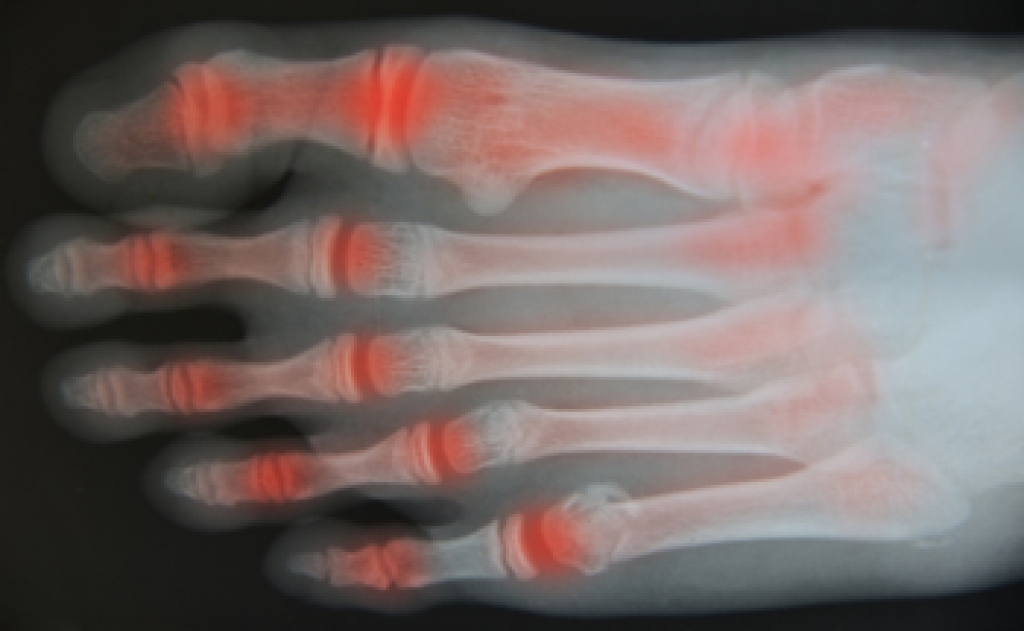
Osteoarthritis is a degenerative joint condition that occurs when cartilage wears down, leading to pain and stiffness. In the feet, it can affect joints such as the toes and midfoot, making walking and daily activities uncomfortable. Common causes include natural aging, previous joint injury, repeated overuse, and excess body weight that places added pressure on the joints. Risk factors include age, obesity, and a history of trauma. Symptoms include aching pain, swelling, reduced flexibility, and a grinding sensation with movement. A podiatrist can evaluate joint health, recommend supportive footwear, and help manage discomfort. If your feet are affected by arthritis, it is suggested that you consult a podiatrist who can offer effective relief solutions and management tips.

Arthritis can be a difficult condition to live with. If you are seeking treatment, contact the podiatrists from S.I. Podiatry. Our doctors can provide the care you need to keep you pain-free and on your feet.

Arthritic Foot Care  

Arthritis is a term that is commonly used to describe joint pain.  The condition itself can occur to anyone of any age, race, or gender, and there are over 100 types of it.  Nevertheless, arthritis is more commonly found in women compared to men, and it is also more prevalent in those who are overweight. The causes of arthritis vary depending on which type of arthritis you have. Osteoarthritis for example, is often caused by injury, while rheumatoid arthritis is caused by a misdirected immune system.

Symptoms

  • Swelling
  • Pain
  • Stiffness
  • Decreased Range of Motion

Arthritic symptoms range in severity, and they may come and go. Some symptoms stay the same for several years but could potentially get worse with time. Severe cases of arthritis can prevent its sufferers from performing daily activities and make walking difficult.

Risk Factors

  • Occupation – Occupations requiring repetitive knee movements have been linked to osteoarthritis
  • Obesity – Excess weight can contribute to osteoarthritis development
  • Infection – Microbial agents can infect the joints and trigger arthritis
  • Joint Injuries – Damage to joints may lead to osteoarthritis
  • Age – Risk increases with age
  • Gender –Most types are more common in women
  • Genetics – Arthritis can be hereditary

If you suspect your arthritis is affecting your feet, it is crucial that you see a podiatrist immediately. Your doctor will be able to address your specific case and help you decide which treatment method is best for you.

If you have any questions please feel free to contact our office located in Staten Island, NY . We offer the newest diagnostic tools and technology to treat your foot and ankle needs.

Read more about How to Care for Your Arthritic Foot

Connect With Us