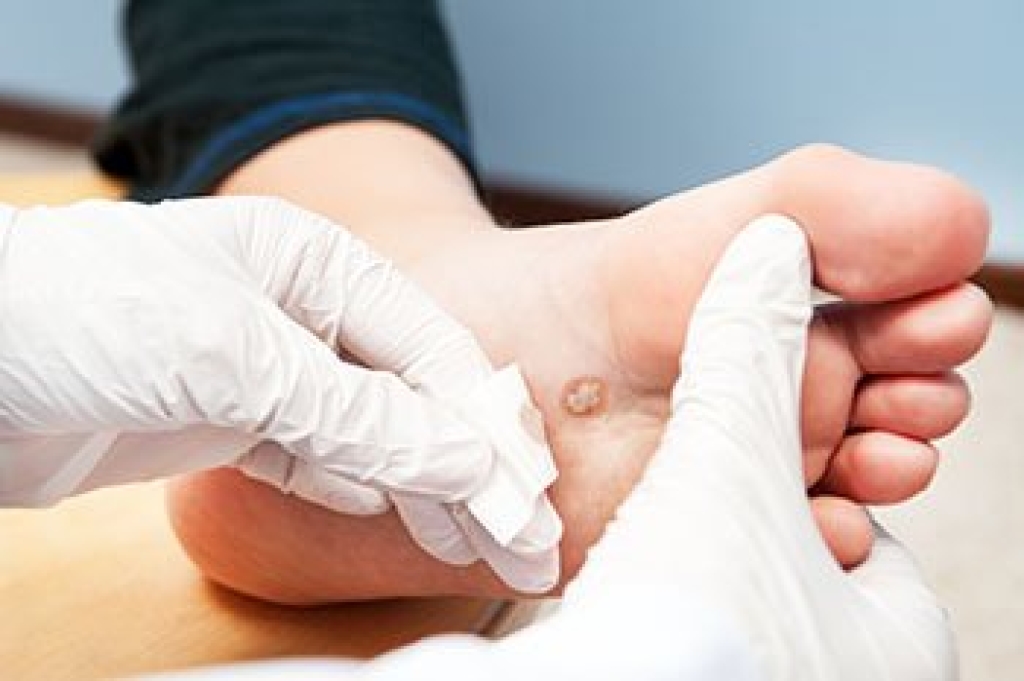
An Overview of Plantar Warts

Plantar warts are benign skin growths that occur on the soles of the feet due to a human papillomavirus (HPV) infection. HPV can get into the feet through a tiny crack in the skin and make the top layer of skin grow rapidly, thereby creating a wart. Warts on the bottom of the feet may be asymptomatic, or they may cause pain or discomfort while standing or walking due to pressure on the bottom of the foot. Plantar warts can typically be diagnosed through a physical examination and can be treated through medications, cryotherapy, or surgical removal. If you have plantar warts, consult with a podiatrist to find the right treatment for you.

Plantar warts can be very uncomfortable. If you need your feet checked, contact Dr. Rouder from S.I. Podiatry. Our doctor will assist you with all of your foot and ankle needs.

About Plantar Warts

Plantar warts are the result of HPV, or human papillomavirus, getting into open wounds on the feet. They are mostly found on the heels or balls of the feet.

While plantar warts are generally harmless, those experiencing excessive pain or those suffering from diabetes or a compromised immune system require immediate medical care. Plantar warts are easily diagnosed, usually through scraping off a bit of rough skin or by getting a biopsy.

Symptoms

  • Lesions on the bottom of your feet, usually rough and grainy
  • Hard or thick callused spots
  • Wart seeds, which are small clotted blood vessels that look like little black spots
  • Pain, discomfort, or tenderness of your feet when walking or standing

Treatment

  • Freezing
  • Electric tool removal
  • Laser Treatment
  • Topical Creams (prescription only)
  • Over-the-counter medications

To help prevent developing plantar warts, avoid walking barefoot over abrasive surfaces that can cause cuts or wounds for HPV to get into. Avoiding direct contact with other warts, as well as not picking or rubbing existing warts, can help prevent the further spread of plantar warts. However, if you think you have developed plantar warts, speak to your podiatrist. He or she can diagnose the warts on your feet and recommend the appropriate treatment options.

If you have any questions, please feel free to contact our office located in Staten Island, NY . We offer the newest diagnostic and treatment technologies for all your foot care needs.
Read more about Plantar Warts

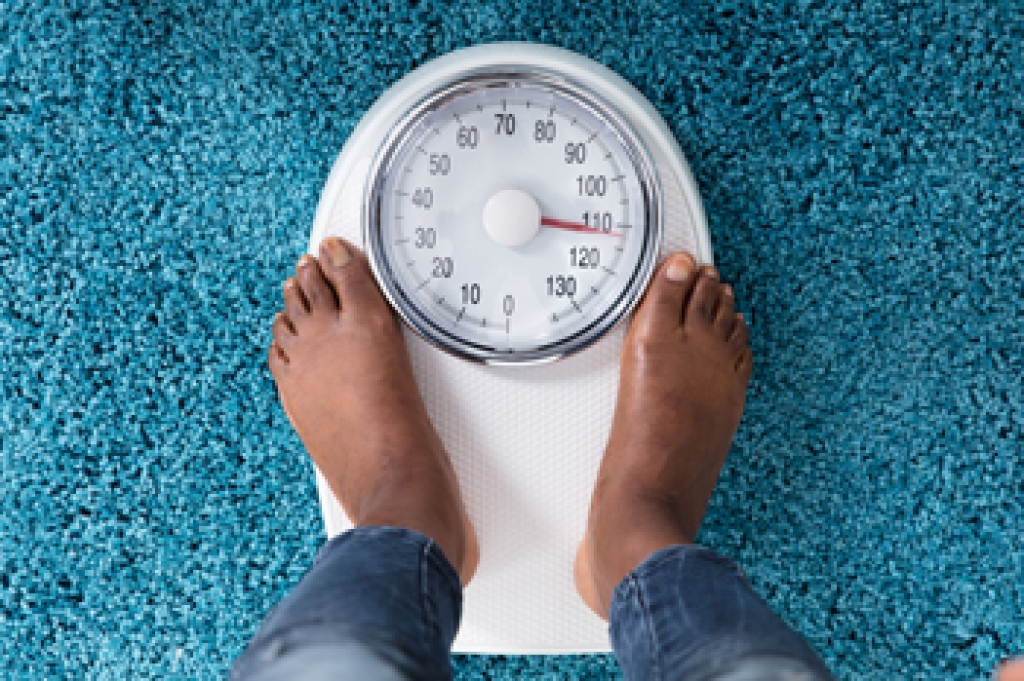
The Relationship Between Weight and Foot Health

Obesity is a worldwide health concern. Being obese, which means your body mass index (BMI) is 30 or higher, is particularly troublesome for foot health. There is an important correlation between foot health and body weight, and obesity negatively impacts that relationship. Obesity can put excessive pressure on the feet and impact their functionality, while increasing the risk of developing plantar fasciitis, flat feet, Achilles tendinitis and more. Obesity can also lead to arthritis and diabetes—both of which are known to create foot and ankle problems. If you are experiencing pain or reduced mobility in the feet due to obesity, call a podiatrist who may be able to create custom orthotics to redistribute weight more evenly across your feet, while easing foot pain, and helping you walk better.

The more you weigh, the harder your feet must work to support your body. If you’re an obese individual and are concerned about your feet, contact Dr. Rouder from S.I. Podiatry. Our doctor can provide the care you need to keep you pain-free and on your feet.

Obesity and Your Feet

People who are overweight are putting more pressure on their ankles, knees, and hips as well as their feet. This unfortunately can lead to variety of different issues.

Problems & Complications Stemming from Obesity

  • When the body is overweight, it tries to compensate by changing the way that it moves. An obese person may lean forward and put extra weight on the wrong part of the foot. This puts unnecessary stress on the feet.
  • Obese people are also more likely to develop type II diabetes which is a condition that causes a lot of foot problems. People with diabetes often don’t feel the cuts and sores that they may have on their feet, which can lead to more complicated and severe issues.
  • Plantar fasciitis is another foot condition that can be caused by obesity. Plantar fasciitis is an inflammation of the tissue along the bottom of the foot, which causes pain and stiffness while walking and climbing stairs.

If you have any questions please contact our office located in Staten Island, NY . We offer the newest diagnostic and treatment technologies for all your foot and ankle needs.

Read more about Obesity and the Feet

Solving Super Sweaty Feet

Nearly everybody deals with unwanted foot sweat — especially during the summer months — but if you regularly soak straight through your socks and sandals, you may have plantar hyperhidrosis. Plantar hyperhidrosis is a condition in which the feet sweat excessively due to overactive sweat glands. Besides being embarrassing and uncomfortable, excess moisture on the feet can damage the skin, causing unusual cracking, scaling, or pruning, and increasing your risk of getting a fungal infection such as athlete’s foot. Treatment options for plantar hyperhidrosis include topical antiperspirants, botox injections into the feet, and iontophoresis. If you suspect that you may have this condition, please consult with a podiatrist.

If you are suffering from hyperhidrosis contact Dr. Rouder of S.I. Podiatry. Our doctor can provide the care you need to attend to all of your foot and ankle needs.

Hyperhidrosis of the Feet

Hyperhidrosis is a rare disorder that can cause people to have excessive sweating of their feet. This can usually occur all on its own without rigorous activity involved. People who suffer from hyperhidrosis may also experience sweaty palms.

Although it is said that sweating is a healthy process meant to cool down the body temperature and to maintain a proper internal temperature, hyperhidrosis may prove to be a huge hindrance on a person’s everyday life.

Plantar hyperhidrosis is considered to be the main form of hyperhidrosis. Secondary hyperhidrosis can refer to sweating that occurs in areas other than the feet or hands and armpits. Often this may be a sign of it being related to another medical condition such as menopause, hyperthyroidism and even Parkinson’s disease.

In order to alleviate this condition, it is important to see your doctor so that they may prescribe the necessary medications so that you can begin to live a normal life again. If this is left untreated, it is said that it will persist throughout an individual’s life.

A last resort approach would be surgery, but it is best to speak with your doctor to find out what may be the best treatment for you.

If you have any questions, please feel free to contact our office located in Staten Island, NY . We offer the newest diagnostic and treatment technologies for all your foot care needs.

Read more about Hyperhidrosis of the Feet

It's Time for Beautiful Feet

You don't need an excuse to have beautiful nails. Step outside without worrying about the appearance of your feet.

How to Prevent Falling at Home

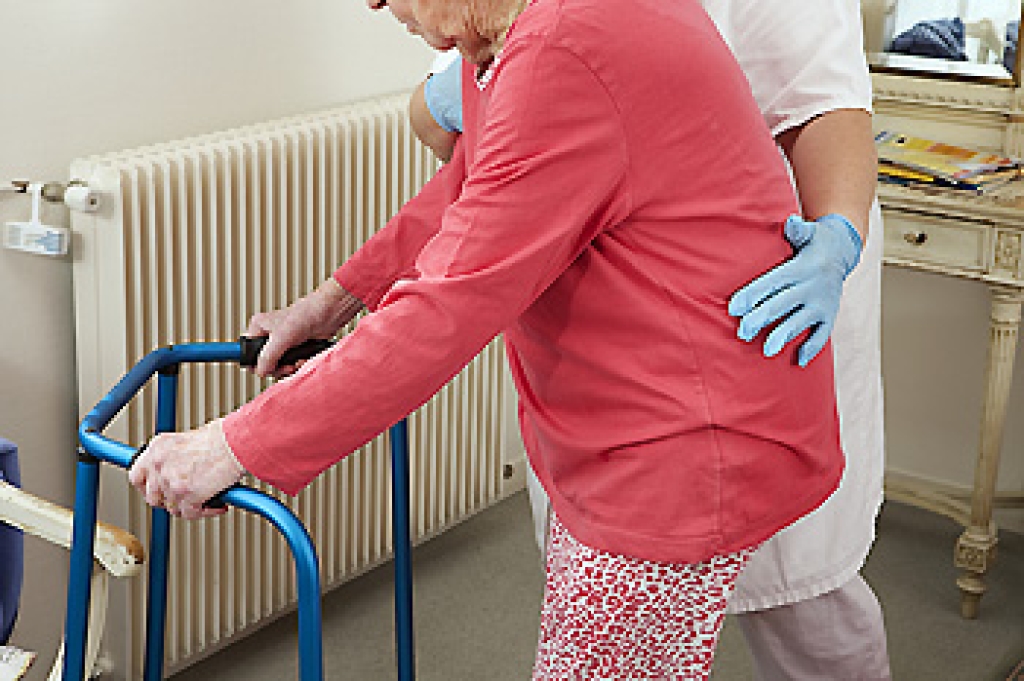
Falls are a major cause of injury and disability among older adults. One of the most common places that seniors fall is in their own homes. This can be prevented by making several modifications to the living space. The easiest and fastest way to reduce risk of falling is to clear any clutter, especially from the floor and areas like hallways and staircases. Remove tripping hazards such as loose or slippery carpets or rugs. Install grab bars in the bathroom, where slippery floors can make falling more likely, and install handrails on the stairs. Install brighter lighting and nightlights to help seniors see where they are walking. Seniors with good foot health may be less likely to fall. To help maintain foot health and mobility, schedule an appointment with a podiatrist.

Preventing falls among the elderly is very important. If you are older and have fallen or fear that you are prone to falling, consult with Dr. Rouder from S.I. Podiatry. Our doctor will assess your condition and provide you with quality advice and care.

Every 11 seconds, an elderly American is being treated in an emergency room for a fall related injury. Falls are the leading cause of head and hip injuries for those 65 and older. Due to decreases in strength, balance, senses, and lack of awareness, elderly persons are very susceptible to falling. Thankfully, there are a number of things older persons can do to prevent falls.

How to Prevent Falls

Some effective methods that older persons can do to prevent falls include:

  • Enrolling in strength and balance exercise program to increase balance and strength
  • Periodically having your sight and hearing checked
  • Discuss any medications you have with a doctor to see if it increases the risk of falling
  • Clearing the house of falling hazards and installing devices like grab bars and railings
  • Utilizing a walker or cane
  • Wearing shoes that provide good support and cushioning
  • Talking to family members about falling and increasing awareness

Falling can be a traumatic and embarrassing experience for elderly persons; this can make them less willing to leave the house, and less willing to talk to someone about their fears of falling. Doing such things, however, will increase the likelihood of tripping or losing one’s balance. Knowing the causes of falling and how to prevent them is the best way to mitigate the risk of serious injury.  

If you have any questions, please feel free to contact our office located in Staten Island, NY . We offer the newest diagnostic and treatment technologies for all your foot care needs.
Read more about Falls Prevention

Connect With Us