
Plantar warts are small growths that develop on parts of the feet that bear weight. They're typically found on the bottom of the foot. Don't live with plantar warts, and call us today!
Plantar warts are small growths that develop on parts of the feet that bear weight. They're typically found on the bottom of the foot. Don't live with plantar warts, and call us today!
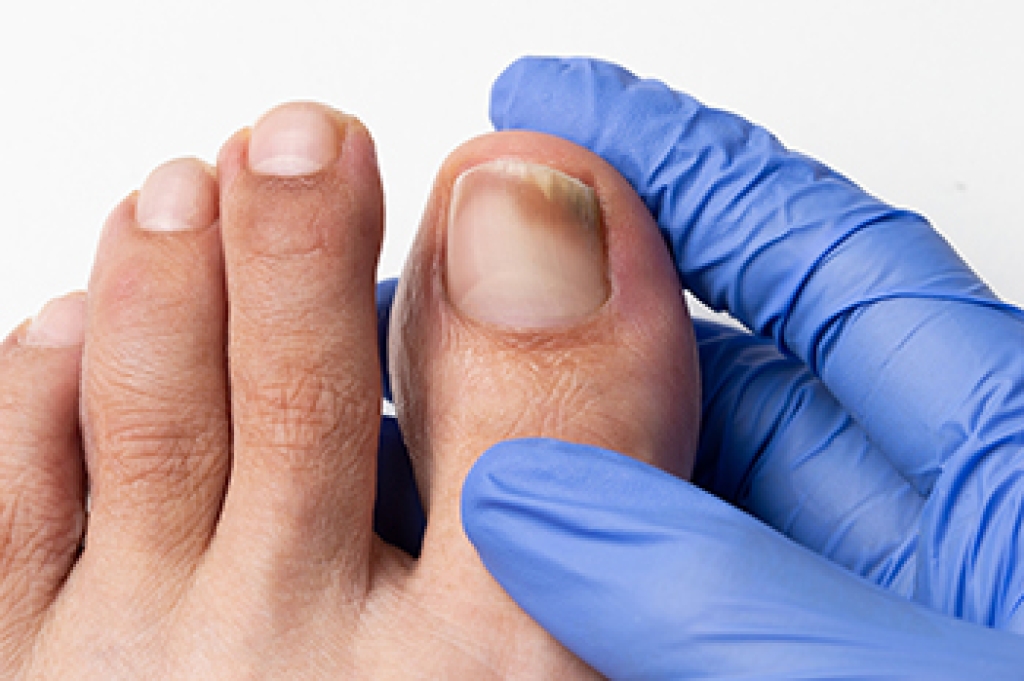
Toenail fungus affects the nails and surrounding tissue, often beginning as a small white or yellow spot that gradually spreads. Symptoms may include thickened nails, discoloration, brittleness, crumbling edges, or an unpleasant odor. Causes include exposure to fungal organisms in warm and moist environments, such as locker rooms or tight footwear. Risk increases for older adults, people with sweaty feet, those with weakened circulation, and individuals who frequently walk barefoot in public areas. A podiatrist can diagnose the infection, provide advanced treatments, trim damaged nails, and offer guidance to prevent future problems. If you have any of the above symptoms, it is suggested that you schedule an appointment with a podiatrist who can offer effective relief and treatment solutions, which may include prescribed medication.
If left untreated, toenail fungus may spread to other toenails, skin, or even fingernails. If you suspect you have toenail fungus it is important to seek treatment right away. For more information about treatment, contact the podiatrists of S.I. Podiatry. Our doctors can provide the care you need to keep you pain-free and on your feet.
Symptoms
Treatment
If self-care strategies and over-the-counter medications does not help your fungus, your podiatrist may give you a prescription drug instead. Even if you find relief from your toenail fungus symptoms, you may experience a repeat infection in the future.
Prevention
In order to prevent getting toenail fungus in the future, you should always make sure to wash your feet with soap and water. After washing, it is important to dry your feet thoroughly especially in between the toes. When trimming your toenails, be sure to trim straight across instead of in a rounded shape. It is crucial not to cover up discolored nails with nail polish because that will prevent your nail from being able to “breathe”.
In some cases, surgical procedure may be needed to remove the toenail fungus. Consult with your podiatrist about the best treatment options for your case of toenail fungus.
If you have any questions please contact our office located in Staten Island, NY . We offer the newest diagnostic and treatment technologies for all your foot and ankle needs.
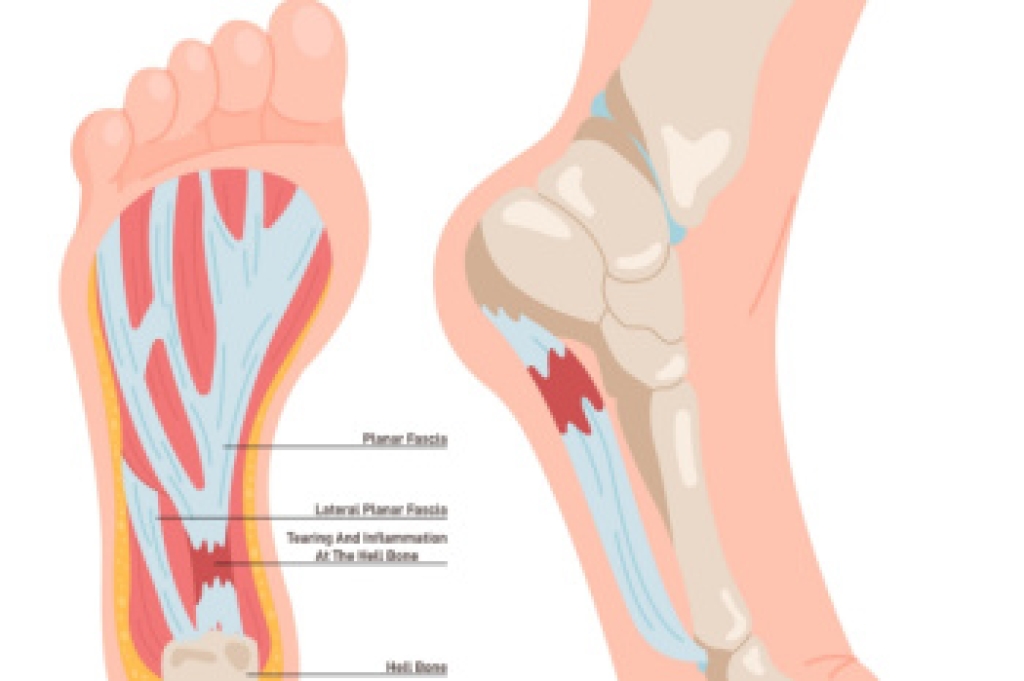
Plantar fasciitis is a common condition characterized by inflammation of the thick band of tissue connecting the heel to the toes, causing heel pain and stiffness. Several risk factors increase the likelihood of developing this condition, including age, long distance running, abnormalities in foot biomechanics, obesity, and prolonged standing throughout the day. Individuals with these factors may experience sharp pain during the first steps in the morning or after periods of rest. A podiatrist can help by diagnosing the condition, providing custom orthotics, recommending stretching exercises, and suggesting treatments to reduce inflammation and relieve pain. If you have persistent heel discomfort or stiffness, it is suggested that you promptly schedule an appointment with a podiatrist who can provide an accurate diagnosis and offer effective treatment solutions.
Plantar fasciitis is a common foot condition that is often caused by a strain injury. If you are experiencing heel pain or symptoms of plantar fasciitis, contact the podiatrists from S.I. Podiatry. Our doctors can provide the care you need to keep you pain-free and on your feet.
What Is Plantar Fasciitis?
Plantar fasciitis is one of the most common causes of heel pain. The plantar fascia is a ligament that connects your heel to the front of your foot. When this ligament becomes inflamed, plantar fasciitis is the result. If you have plantar fasciitis you will have a stabbing pain that usually occurs with your first steps in the morning. As the day progresses and you walk around more, this pain will start to disappear, but it will return after long periods of standing or sitting.
What Causes Plantar Fasciitis?
There are some risk factors that may make you more likely to develop plantar fasciitis compared to others. The condition most commonly affects adults between the ages of 40 and 60. It also tends to affect people who are obese because the extra pounds result in extra stress being placed on the plantar fascia.
Prevention
There are a variety of treatment options available for plantar fasciitis along with the pain that accompanies it. Additionally, physical therapy is a very important component in the treatment process. It is important that you meet with your podiatrist to determine which treatment option is best for you.
If you have any questions, please feel free to contact our office located in Staten Island, NY . We offer the newest diagnostic and treatment technologies for all your foot care needs.
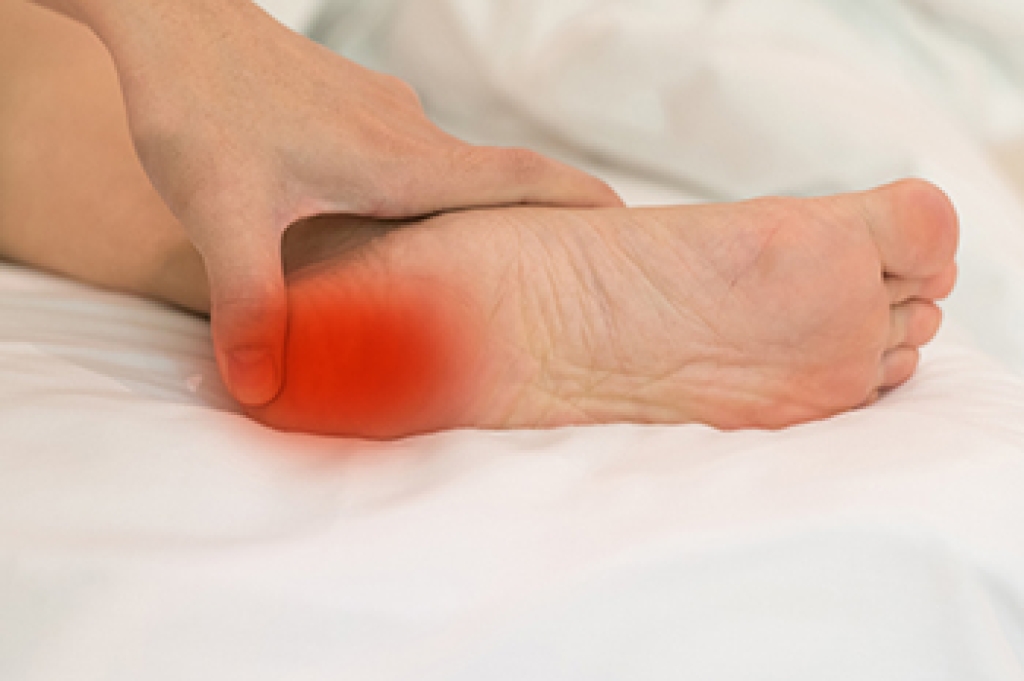
Kager’s fat pad is a soft, cushion-like structure located in the back of the ankle, behind the Achilles tendon. It helps reduce friction and absorb shock during movement. Fat pad syndrome occurs when this area becomes inflamed or irritated, often due to overuse, injury, or biomechanical stress. This condition can cause pain and swelling behind the heel and may affect the function of the Achilles tendon, making walking or standing uncomfortable. A podiatrist can diagnose Kager’s fat pad syndrome through imaging, recommend rest, or custom orthotics, and address any contributing tendon issues. If you have symptoms of this condition, it is suggested that you consult a podiatrist who can guide you toward effective relief and treatment solutions.
Many people suffer from bouts of heel pain. For more information, contact the podiatrists of S.I. Podiatry. Our doctors can provide the care you need to keep you pain-free and on your feet.
Causes of Heel Pain
Heel pain is often associated with plantar fasciitis. The plantar fascia is a band of tissues that extends along the bottom of the foot. A rip or tear in this ligament can cause inflammation of the tissue.
Achilles tendonitis is another cause of heel pain. Inflammation of the Achilles tendon will cause pain from fractures and muscle tearing. Lack of flexibility is also another symptom.
Heel spurs are another cause of pain. When the tissues of the plantar fascia undergo a great deal of stress, it can lead to ligament separation from the heel bone, causing heel spurs.
Why Might Heel Pain Occur?
Treatments
Heel pain should be treated as soon as possible for immediate results. Keeping your feet in a stress-free environment will help. If you suffer from Achilles tendonitis or plantar fasciitis, applying ice will reduce the swelling. Stretching before an exercise like running will help the muscles. Using all these tips will help make heel pain a condition of the past.
If you have any questions, please feel free to contact our office located in Staten Island, NY . We offer the newest diagnostic and treatment technologies for all your foot care needs.

Athlete’s foot is a fungal infection that develops on the skin of the feet, most often between the toes or on the soles. It may cause itching, redness, peeling, cracking, or small blisters, and, in some cases, the affected skin may become sore. Athlete’s foot can spread to the toenails or other areas of the foot, if not properly addressed. The fungus thrives in warm, moist environments, making sweaty shoes, damp socks, or walking barefoot in communal showers and locker rooms common risk factors. Sharing shoes or socks can also contribute to its spread. People with diabetes or a weakened immune system are more susceptible to complications, as broken skin can allow bacteria to enter, leading to further infection. A podiatrist can diagnose athlete’s foot, determine the extent of the infection, and provide appropriate treatment to help restore skin health and prevent recurrence. If you have symptoms of an Athlete's foot infection, it is suggested that you schedule an appointment with a podiatrist for an exam and appropriate treatment.
Athlete’s Foot
Athlete’s foot is often an uncomfortable condition to experience. Thankfully, podiatrists specialize in treating athlete’s foot and offer the best treatment options. If you have any questions about athlete’s foot, consult with the podiatrists from S.I. Podiatry. Our doctors will assess your condition and provide you with quality treatment.
What Is Athlete’s Foot?
Tinea pedis, more commonly known as athlete’s foot, is a non-serious and common fungal infection of the foot. Athlete’s foot is contagious and can be contracted by touching someone who has it or infected surfaces. The most common places contaminated by it are public showers, locker rooms, and swimming pools. Once contracted, it grows on feet that are left inside moist, dark, and warm shoes and socks.
Prevention
The most effective ways to prevent athlete’s foot include:
Symptoms
Athlete’s foot initially occurs as a rash between the toes. However, if left undiagnosed, it can spread to the sides and bottom of the feet, toenails, and if touched by hand, the hands themselves. Symptoms include:
Diagnosis and Treatment
Diagnosis is quick and easy. Skin samples will be taken and either viewed under a microscope or sent to a lab for testing. Sometimes, a podiatrist can diagnose it based on simply looking at it. Once confirmed, treatment options include oral and topical antifungal medications.
If you have any questions, please feel free to contact our office located in Staten Island, NY . We offer the newest diagnostic and treatment technologies for all your foot care needs.
Connect With Us
