
You don't need an excuse to have beautiful nails. Step outside without worrying about the appearance of your feet.
You don't need an excuse to have beautiful nails. Step outside without worrying about the appearance of your feet.
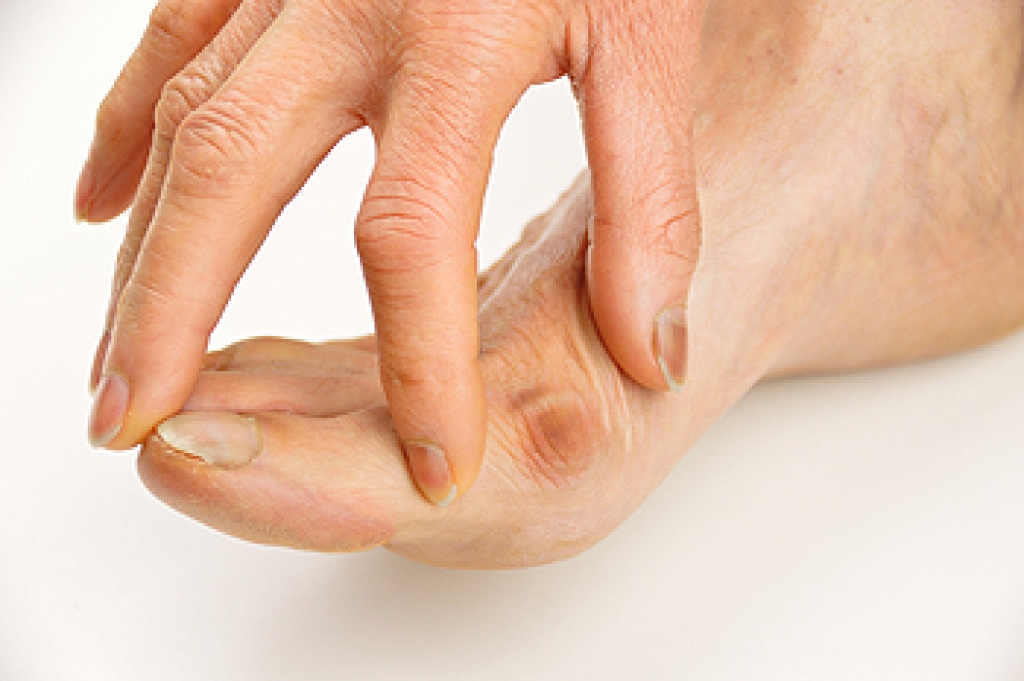
When the big toe starts to angle toward the smaller toes, a bony bump can form at its base, often leading to pain, redness, and swelling. Bunions tend to worsen over time and are commonly linked to inherited foot structure, tight shoes, or repeated stress on the forefoot. As the joint becomes irritated, even walking short distances may feel uncomfortable. Comfort-focused changes can help reduce strain and relieve pressure. Supportive shoes with roomy toe boxes, soft padding, and custom orthotics can make a noticeable difference. Applying cold packs and doing gentle toe exercises may also ease soreness. In some cases, professional treatment is needed to correct alignment or reduce inflammation. If your foot pain or joint swelling continues to interfere with daily activities, it is suggested that you consult a podiatrist for expert evaluation and a personalized care plan.
If you are suffering from bunion pain, contact the podiatrists of S.I. Podiatry. Our doctors can provide the care you need to keep you pain-free and on your feet.
What Is a Bunion?
Bunions are painful bony bumps that usually develop on the inside of the foot at the joint of the big toe. As the deformity increases over time, it may become painful to walk and wear shoes. Women are more likely to exacerbate existing bunions since they often wear tight, narrow shoes that shift their toes together. Bunion pain can be relieved by wearing wider shoes with enough room for the toes.
Causes
Symptoms
In order to diagnose your bunion, your podiatrist may ask about your medical history, symptoms, and general health. Your doctor might also order an x-ray to take a closer look at your feet. Nonsurgical treatment options include orthotics, padding, icing, changes in footwear, and medication. If nonsurgical treatments don’t alleviate your bunion pain, surgery may be necessary.
If you have any questions, please feel free to contact our office located in Staten Island, NY . We offer the newest diagnostic and treatment technologies for all your foot care needs.
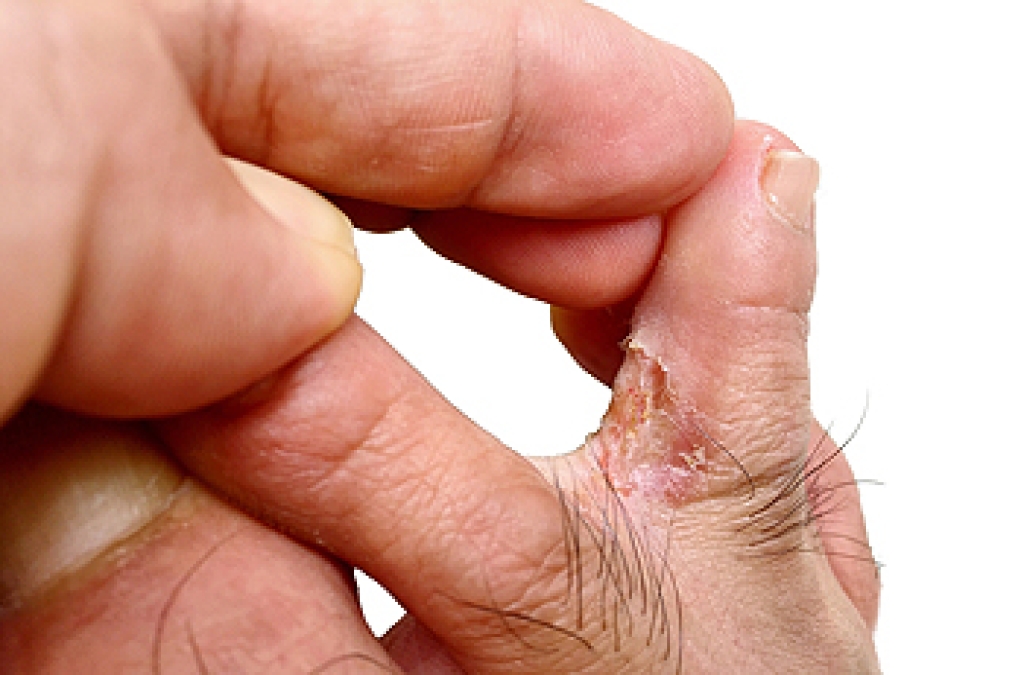
Severe athlete's foot occurs when the fungal infection causing it extends beyond the toes and affects the entire foot. This condition can result in intense itching, redness, and discomfort, often accompanied by painful blisters called vesicles, or open, pitted sores on the skin. The skin may peel, crack, or become inflamed, making it difficult to walk or wear shoes. The infection can also spread to the toenails or other areas of the foot, leading to a more persistent and severe condition. The cause of severe athlete's foot is a fungal infection that thrives in warm, moist environments. Poor foot hygiene, sweaty socks, tight shoes, and walking barefoot in certain public places can increase the risk of becoming infected. Symptoms often worsen with movement or activity, causing a burning or stinging sensation. A podiatrist can provide treatment by prescribing antifungal medication or oral treatments. They may also recommend proper foot care techniques to prevent reinfection and address any complications. If you are dealing with severe athlete’s foot, it is suggested that you make an appointment with a podiatrist for a proper diagnosis and treatment.
Athlete’s foot is an inconvenient condition that can be easily reduced with the proper treatment. If you have any concerns about your feet and ankles, contact the podiatrists from S.I. Podiatry. Our doctors will treat your foot and ankle needs.
Athlete’s Foot: The Sole Story
Athlete's foot, also known as tinea pedis, can be an extremely contagious foot infection. It is commonly contracted in public changing areas and bathrooms, dormitory style living quarters, around locker rooms and public swimming pools, or anywhere your feet often come into contact with other people.
Solutions to Combat Athlete’s Foot
Athlete’s foot can cause many irritating symptoms such as dry and flaking skin, itching, and redness. Some more severe symptoms can include bleeding and cracked skin, intense itching and burning, and even pain when walking. In the worst cases, Athlete’s foot can cause blistering as well. Speak to your podiatrist for a better understanding of the different causes of Athlete’s foot, as well as help in determining which treatment options are best for you.
If you have any questions please feel free to contact our office located in Staten Island, NY . We offer the newest diagnostic and treatment technologies for all your foot and ankle needs.
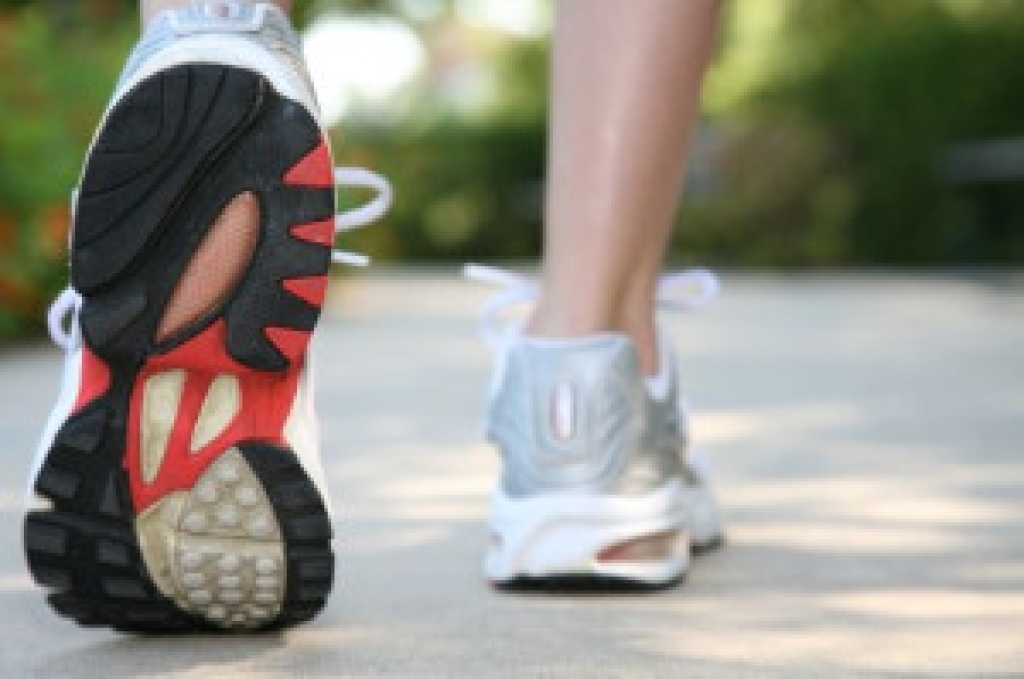
Selecting proper footwear is essential because running places greater strain on the body than walking, making the right support critical for comfort and injury prevention. Walking shoes are designed for steady forward motion and usually offer flexible soles and cushioning for the heel and arch. Running shoes provide more shock absorption, stronger heel support, and added stability to handle the higher impact forces with each stride. Both types should fit well, offer good traction, and match your foot shape and activity level. A podiatrist can evaluate your gait, foot structure, and any pain concerns to recommend the best footwear for your needs. If you have sustained a foot injury from wearing the wrong shoes, it is suggested that you consult a podiatrist who can treat various foot conditions, and guide you on the correct shoes to wear for your desired activity.
For more information about walking shoes versus running shoes, consult with the podiatrists from S.I. Podiatry. Our doctors can measure your feet to determine what your needs are and help you find an appropriate pair of footwear.
Foot Health: The Differences between Walking & Running Shoes
There are great ways to stay in shape: running and walking are two great exercises to a healthy lifestyle. It is important to know that running shoes and walking shoes are not interchangeable. There is a key difference on how the feet hit the ground when someone is running or walking. This is why one should be aware that a shoe is designed differently for each activity.
You may be asking yourself what the real differences are between walking and running shoes and the answers may shock you.
Differences
Walking doesn’t involve as much stress or impact on the feet as running does. However, this doesn’t mean that you should be any less prepared. When you’re walking, you land on your heels and have your foot roll forward. This rolling motion requires additional support to the feet.
Flexibility – Walking shoes are designed to have soft, flexible soles. This allows the walker to push off easily with each step.
If you have any questions, please feel free to contact our office located in Staten Island, NY . We offer the newest diagnostic and treatment technologies for all your foot care needs.
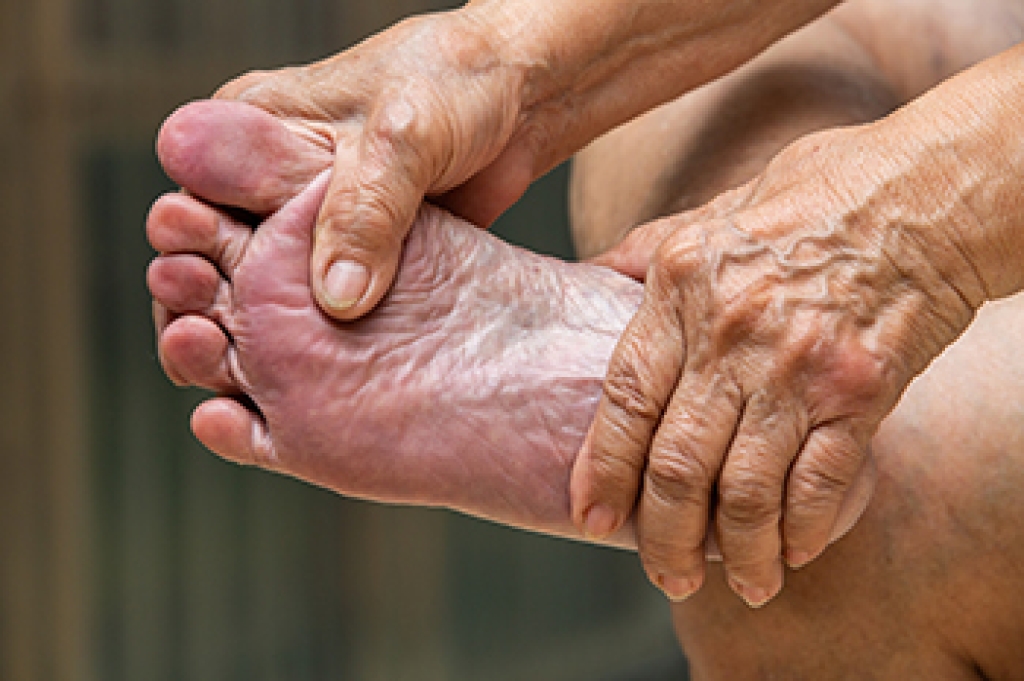
Senior feet require special attention as changes in circulation, skin health, and mobility can make them more vulnerable to discomfort and injury. Regular care includes trimming toenails carefully to prevent ingrown nails, keeping the skin clean and moisturized, and wearing clean cotton socks to reduce irritation and support healthy airflow. Wearing supportive footwear is also essential for balance and stability. A podiatrist can provide routine foot examinations, manage common concerns such as corns, calluses, and fungal infections, and offer guidance that promotes safety and comfort. Taking proactive steps can improve mobility and overall well-being. If you or a loved one needs help caring for senior feet, it is suggested that you consult a podiatrist who can treat various foot conditions and offer effective elderly foot care tips.
Proper foot care is something many older adults forget to consider. If you have any concerns about your feet and ankles, contact the podiatrists from S.I. Podiatry. Our doctors can provide the care you need to keep you pain-free and on your feet.
The Elderly and Their Feet
As we age we start to notice many changes in our body, but the elder population may not notice them right away. Medical conditions may prevent the elderly to take notice of their foot health right away. Poor vision is a lead contributor to not taking action for the elderly.
Common Conditions
Susceptible Infections
Diabetes and poor circulation can cause general loss of sensitivity over the years, turning a simple cut into a serious issue.
If you have any questions, please feel free to contact our office located in Staten Island, NY . We offer the newest diagnostic and treatment technologies for all your foot care needs.
Connect With Us
