
If you are suffering from tenderness, pain, or stiffness in the joints of your feet or ankles, call us to schedule an appointment.
If you are suffering from tenderness, pain, or stiffness in the joints of your feet or ankles, call us to schedule an appointment.
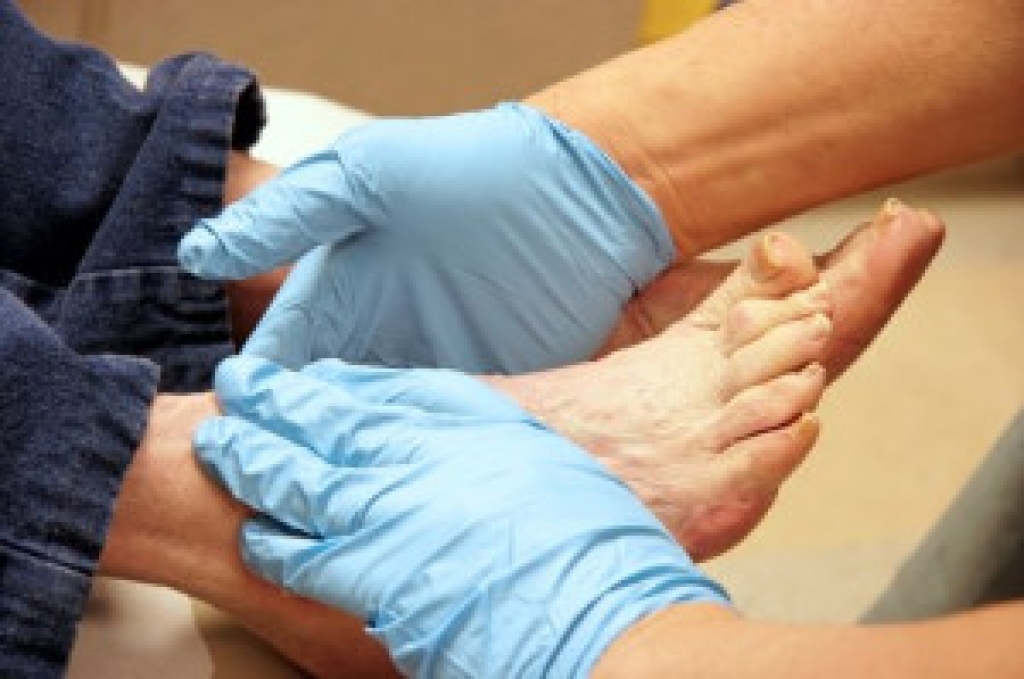
Daily foot care is vital for people with diabetes, as poor circulation and nerve damage can make feet more vulnerable to infection and injury. Wash your feet every day with warm water and mild soap, then dry thoroughly, especially between the toes, to prevent fungal growth. Moisturize dry skin to avoid cracking, but never apply lotion between toes. Check feet daily for blisters, cuts, or color changes, using a mirror if needed. Always wear clean, well-fitted socks and supportive shoes to protect against pressure points and sores. Trim nails carefully, straight across, to prevent ingrown toenails. Avoid walking barefoot, even indoors, and keep blood sugar levels in check to support healthy circulation. If you notice swelling, redness, or wounds that do not heal promptly, it is suggested that you see a podiatrist for evaluation and professional diabetic foot care to prevent complications and maintain mobility.
Diabetic foot care is important in preventing foot ailments such as ulcers. If you are suffering from diabetes or have any other concerns about your feet, contact the podiatrists from S.I. Podiatry. Our doctors can provide the care you need to keep you pain-free and on your feet.
Diabetic Foot Care
Diabetes affects millions of people every year. The condition can damage blood vessels in many parts of the body, especially the feet. Because of this, taking care of your feet is essential if you have diabetes, and having a podiatrist help monitor your foot health is highly recommended.
The Importance of Caring for Your Feet
Patients with diabetes should have their doctor monitor their blood levels, as blood sugar levels play such a huge role in diabetic care. Monitoring these levels on a regular basis is highly advised.
It is always best to inform your healthcare professional of any concerns you may have regarding your feet, especially for diabetic patients. Early treatment and routine foot examinations are keys to maintaining proper health, especially because severe complications can arise if proper treatment is not applied.
If you have any questions, please feel free to contact our office located in Staten Island, NY . We offer the newest diagnostic and treatment technologies for all your foot care needs.
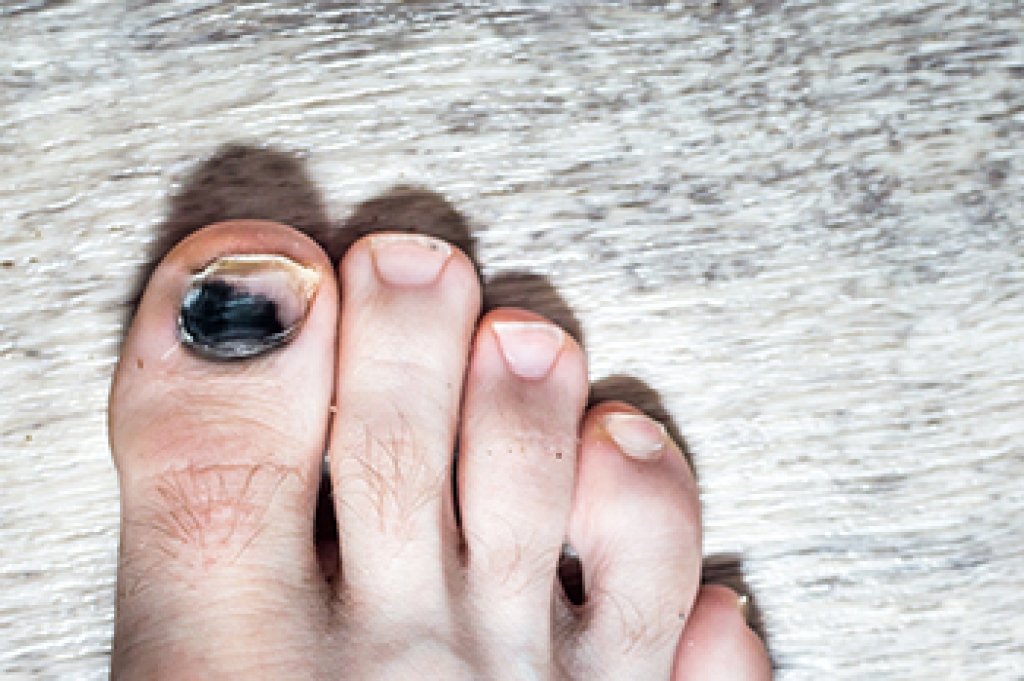
Runner’s toenail, also known as a subungual hematoma, is a common foot injury among people who run long distances or engage in sports that involve frequent stopping and starting. Runner's toenail occurs when repeated impact causes the toenail to hit the front or top of the shoe, or when toes rub against each other, leading to bleeding beneath the nail. The big toe is most often affected, but any toe may be involved. Symptoms may include dark red or black discoloration of the nail, pain, swelling, pressure under the toenail, or even loss of the nail if it becomes loose or damaged. Running downhill or in hot weather, which makes the feet swell, often increases the risk. A podiatrist can diagnose the cause, provide treatment, and help prevent ongoing nail damage. If you have symptoms of runner’s toenail, it is suggested that you schedule an appointment with a podiatrist for an exam and appropriate treatment.
All runners should take extra precaution when trying to avoid injury. If you have any concerns about your feet, contact the podiatrists of S.I. Podiatry. Our doctors will treat your foot and ankle needs.
How to Prevent Running Injuries
There are a lot of mistakes a runner can make prior to a workout that can induce injury. A lot of athletes tend to overstretch before running, instead of saving those workouts for a post-run routine. Deep lunges and hand-to-toe hamstring pulls should be performed after a workout instead of during a warmup. Another common mistake is jumping into an intense routine before your body is physically prepared for it. You should try to ease your way into long-distance running instead of forcing yourself to rush into it.
More Tips for Preventing Injury
If you have any questions, please feel free to contact our office located in Staten Island, NY . We offer the newest diagnostic and treatment technologies for all your foot care needs.
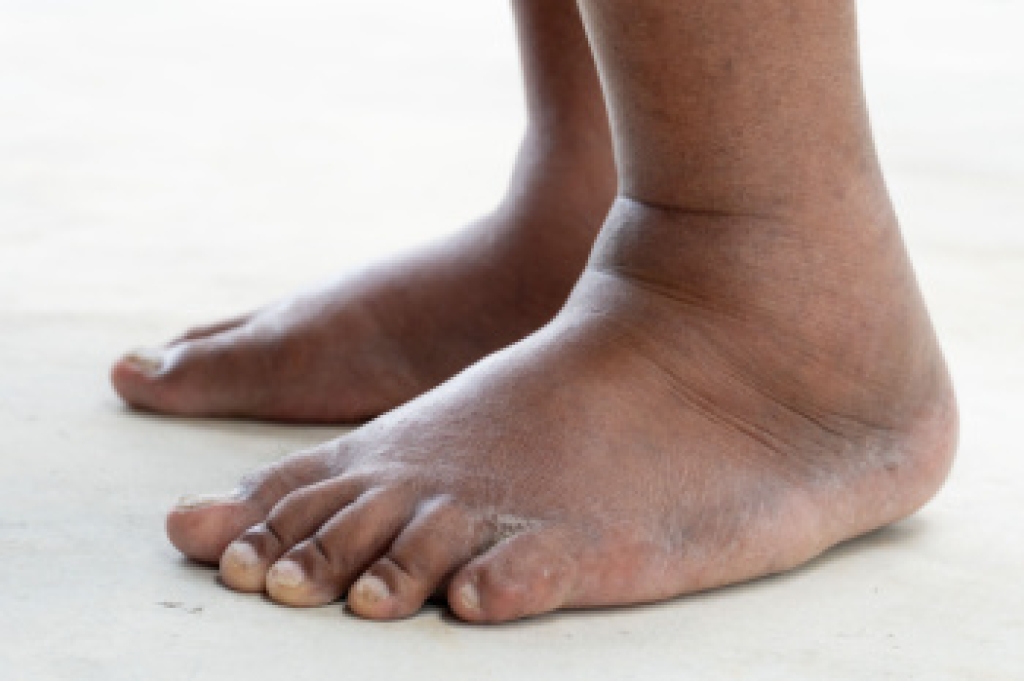
Swollen feet are a common problem that can affect people of all ages. The reasons may range from temporary fluid buildup in hot weather or pregnancy to more serious health concerns that involve circulation or injury. The medical term for swelling caused by trapped fluid is edema. It often appears in the feet and ankles, causing stretched skin and dimpling when pressed. Injuries like ankle sprains can also lead to sudden swelling, restricting mobility, and causing pain. In pregnancy, swelling may occur gradually, but if it becomes severe and sudden, it could signal preeclampsia, a condition that requires immediate medical care. Prolonged standing or wearing shoes that lack adequate support can also contribute to swelling of the feet. A podiatrist can carefully evaluate the feet to determine the underlying cause and provide treatment to protect long-term foot health. If you suffer from excessive or unusual swelling in the feet, it is suggested that you make an appointment with a podiatrist for an exam and treatment.
Swollen feet can be a sign of an underlying condition. If you have any concerns, contact the podiatrists of S.I. Podiatry. Our doctors can provide the care you need to keep you pain-free and on your feet.
Swollen feet are a common ailment among pregnant women and people who stand or sit for extended periods. Aging may increase the possibility of swollen feet and patients who are obese often notice when their feet are swelling too. There may be medical reasons why swollen feet occur:
Swollen feet can also be caused by bone and tendon conditions, including fractures, arthritis, and tendinitis. Additionally, there may be skin and toenail conditions and an infection may cause the feet to swell. Patients who take medicine to treat high blood pressure may be prone to getting swollen feet.
Many patients elevate their feet to help relieve the swelling and this is generally a temporary remedy. When a podiatrist is consulted the reason behind the swelling can be uncovered and subsequently treated.
If you have any questions please contact our office located in Staten Island, NY . We offer the newest diagnostic and treatment technologies for all your foot and ankle needs.
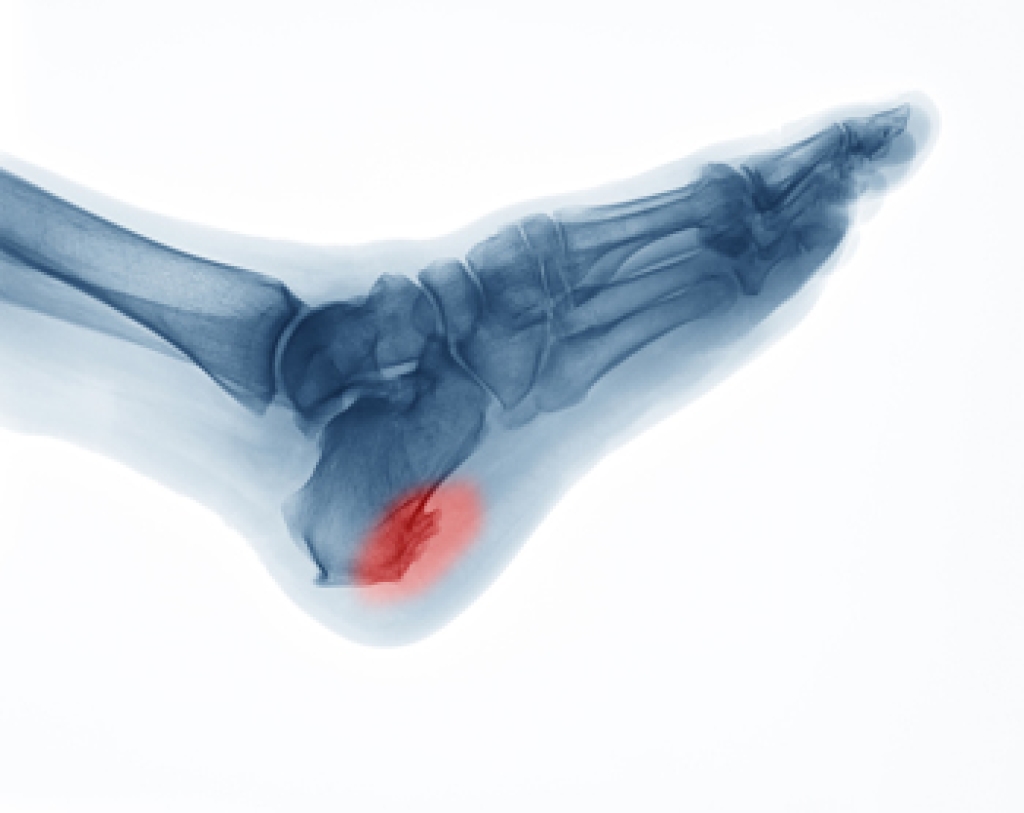 The age group of people who are typically affected by Sever’s disease is between ten and fourteen. It impacts the growth plate in the heel and can cause severe pain and discomfort. It can happen as a result of participating in running and jumping activities, which can exert excess pressure on the heel. It is beneficial to perform stretches that can loosen the Achilles tendon which is connected to the heel. Additionally, many patients wear specific types of footwear that can help in the healing process. If you notice your child is limping or complaining of heel pain, it is strongly suggested that you schedule an appointment with a podiatrist who can diagnose and treat Sever’s disease.
Sever's disease often occurs in children and teens. If your child is experiencing foot or ankle pain, see the podiatrists from S.I. Podiatry. Our doctors can treat your child’s foot and ankle needs.
Sever’s Disease
Sever’s disease is also known as calcaneal apophysitis, which is a medical condition that causes heel pain I none or both feet. The disease is known to affect children between the ages of 8 and 14.
Sever’s disease occurs when part of the child’s heel known as the growth plate (calcaneal epiphysis) is attached to the Achilles tendon. This area can suffer injury when the muscles and tendons of the growing foot do not keep pace with bone growth. Therefore, the constant pain which one experiences at the back of the heel will make the child unable to put any weight on the heel. The child is then forced to walk on their toes.
Symptoms
Acute pain – Pain associated with Sever’s disease is usually felt in the heel when the child engages in physical activity such as walking, jumping and or running.
Highly active – Children who are very active are among the most susceptible in experiencing Sever’s disease, because of the stress and tension placed on their feet.
If you have any questions, please feel free to contact our office located in Staten Island, NY . We offer the newest diagnostic and treatment technologies for all your foot care needs.
Connect With Us
