Facts About Achilles Tendon Pain

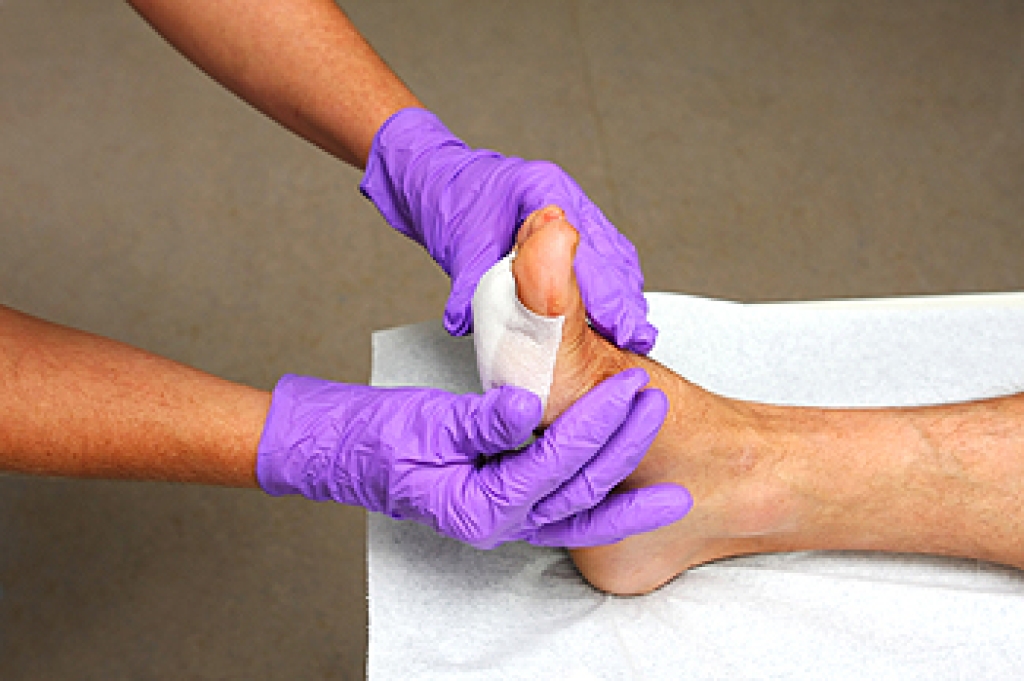
Achilles tendonitis is a condition that affects the large tendon at the back of the ankle that connects the calf muscles to the heel bone. It develops when the tendon becomes irritated from repeated strain or overuse during activities like walking, running, or jumping. Symptoms include pain, stiffness, swelling, and difficulty pushing off the foot, especially after rest. There are two types, based on where the tendon is affected, either in the middle or near the heel. Risk factors include tight calf muscles, sudden increases in activity, aging, and wearing poor-fitting shoes. A podiatrist can evaluate the tendon, check foot structure, and order imaging to confirm the diagnosis. Treatment may include bracing, orthotics, or surgery if the tendon is damaged. If you have symptoms of Achilles tendonitis, it is suggested that you make an appointment with a podiatrist for a diagnosis and treatment.

Achilles tendon injuries need immediate attention to avoid future complications. If you have any concerns, contact Dr. Rouder of S.I. Podiatry. Our doctor can provide the care you need to keep you pain-free and on your feet.

What Is the Achilles Tendon?

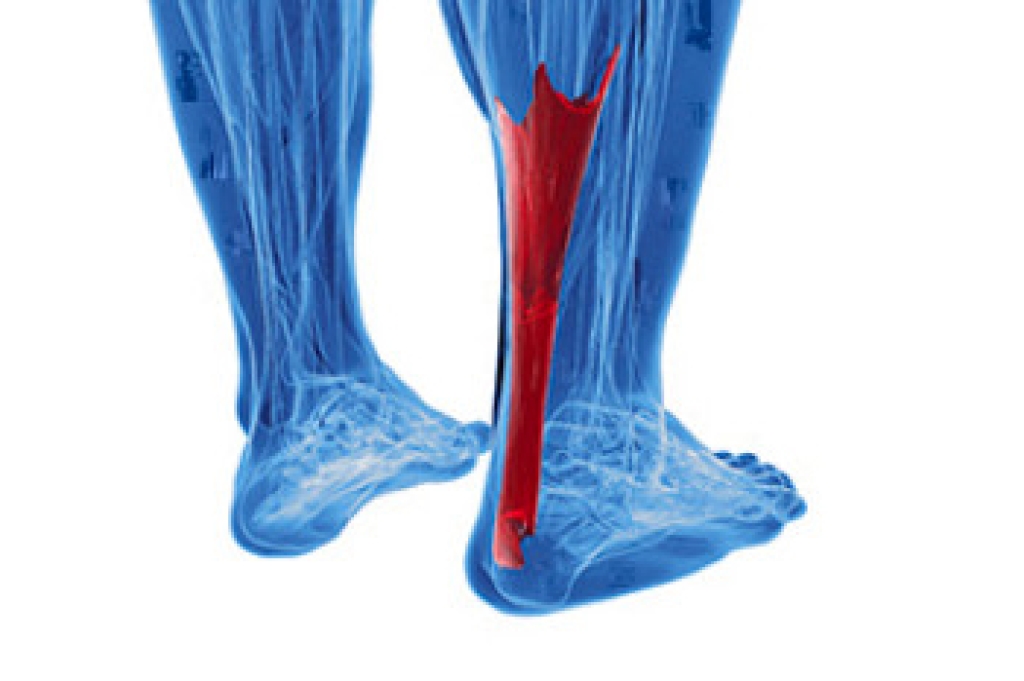
The Achilles tendon is a tendon that connects the lower leg muscles and calf to the heel of the foot. It is the strongest tendon in the human body and is essential for making movement possible. Because this tendon is such an integral part of the body, any injuries to it can create immense difficulties and should immediately be presented to a doctor.

What Are the Symptoms of an Achilles Tendon Injury?

There are various types of injuries that can affect the Achilles tendon. The two most common injuries are Achilles tendinitis and ruptures of the tendon.

Achilles Tendinitis Symptoms

  • Inflammation
  • Dull to severe pain
  • Increased blood flow to the tendon
  • Thickening of the tendon

Rupture Symptoms

  • Extreme pain and swelling in the foot
  • Total immobility

Treatment and Prevention

Achilles tendon injuries are diagnosed by a thorough physical evaluation, which can include an MRI. Treatment involves rest, physical therapy, and in some cases, surgery. However, various preventative measures can be taken to avoid these injuries, such as:

  • Thorough stretching of the tendon before and after exercise
  • Strengthening exercises like calf raises, squats, leg curls, leg extensions, leg raises, lunges, and leg presses

If you have any questions please feel free to contact our office located in Staten Island, NY . We offer the newest diagnostic tools and technology to treat your foot and ankle needs.

Read more about The Causes, Types, and Treatments of Achilles Tendon Injuries

Why Flip-Flops May Harm Your Foot Health

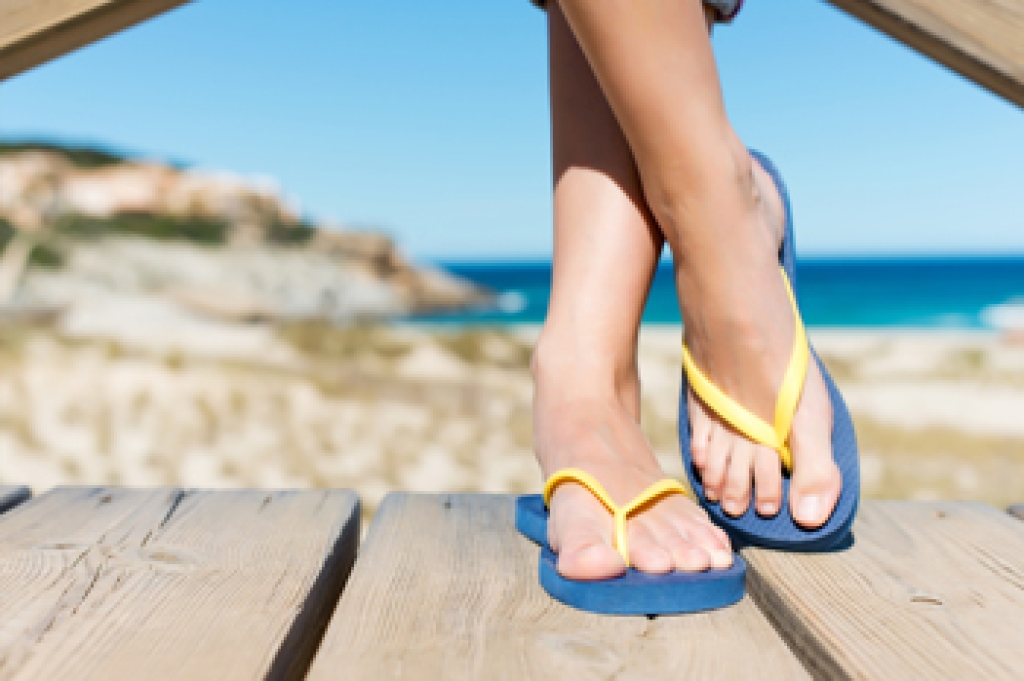
Flip-flops are popular because they are easy to wear and come in a variety of styles, but they often provide little support or protection for the feet. Wearing them for long distances, while engaging in sporting activities, or while driving can increase the risk of injury. Without proper arch support and stability, the feet may strain, leading to discomfort and fatigue. Flip-flops can also cause blisters due to friction and increase the chance of sprained ankles from lack of balance. Risk factors include prolonged use, uneven surfaces, and pre-existing foot conditions. A podiatrist can assess your foot structure, recommend supportive footwear, and treat any resulting injuries. If you discover your feet hurt after wearing flip-flops, it is suggested that you consult a podiatrist who can offer relief tips and guide you toward more appropriate footwear.

Flip-flops are not always the best choice of footwear. If you have any concerns about your feet or ankles, contact Dr. Rouder from S.I. Podiatry. Our doctor will assist you with all of your foot and ankle needs.

Flip-Flops and Feet

When the weather starts warming up, people enjoy wearing flip-flops.  Flip-flops are comfortable, stylish, and easy to slip on and off; they're perfect for any summer beach goer.  However, these shoes can cause harm to the feet.

How Can Flip-Flops Affect Me Long-Term?

  • Ankle problems
  • Hip problems
  • Lower back problems
  • Pain in the balls of the feet
  • Problems with foot arches
  • Changes in the way you walk

Are There Injuries Associated with Flip-Flops?

Yes.  Since flip-flops are relatively weak and do not provide the same amount of support as sneakers, people who wear flip-flops regularly are more susceptible to injuries. On top of that, the open nature of the shoe makes your feet more prone to other problems, such as cuts and even infections.  Common injuries and ailments include:

  • Sprained ankles
  • Blisters
  • Infections
  • Cuts and Scrapes

I like Wearing Flip-Flops. Are There Safe Alternatives?

When buying flip-flops, try to find ones that have sturdy soles and that are made of high-quality materials that will support for your feet.  These flip-flops will cost more but will also last longer as a result.

If you have any questions, please feel free to contact our office located in Staten Island, NY . We offer the newest diagnostic and treatment technologies for all your foot care needs.

Read more about Flip Flops and Your Feet

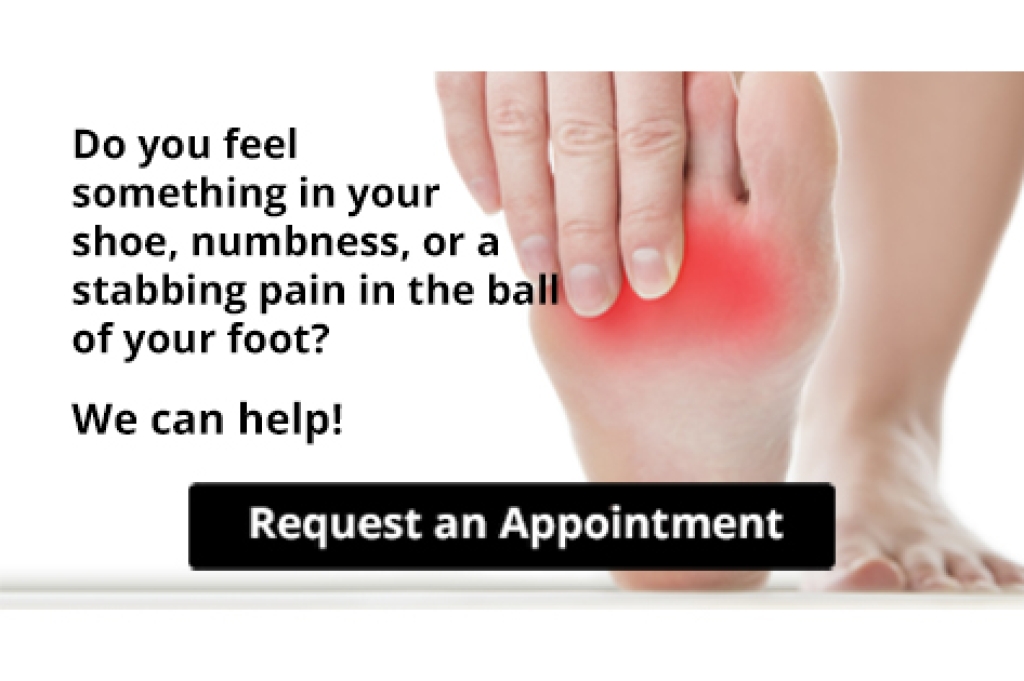
Why Live with Pain and Numbness in Your Feet?

Suffering from this type of pain? You may have the foot condition known as Morton's neuroma. Morton's neuroma may develop as a result of ill-fitting footwear and existing foot deformities. We can help.

Connect With Us