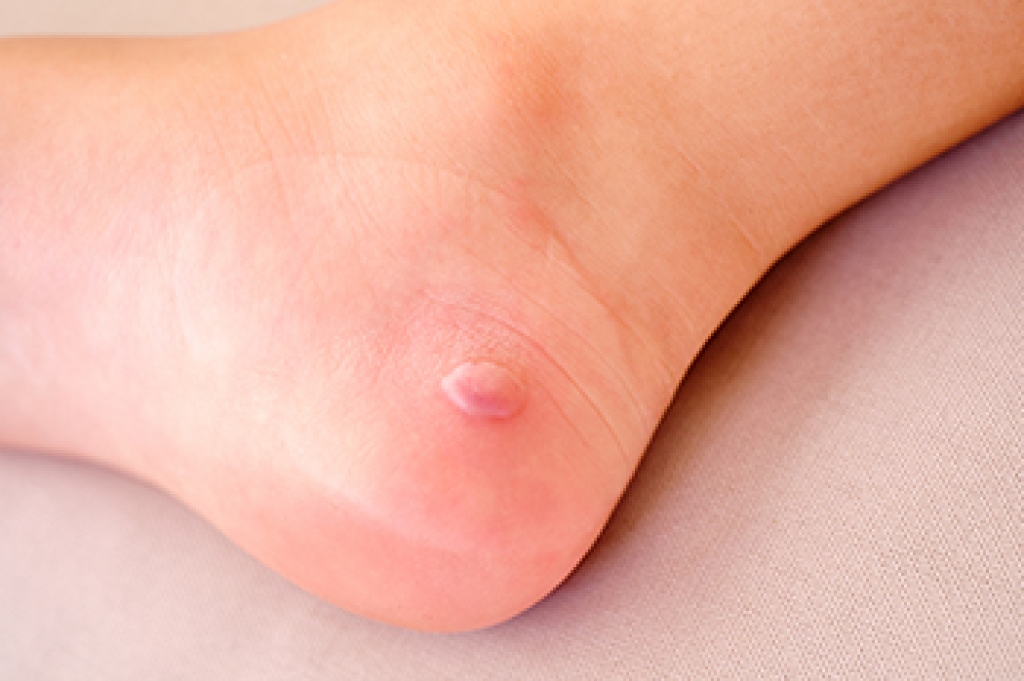
Why Foot Blisters Form and How to Treat Them

Foot blisters develop when repeated friction, heat, or moisture causes the upper layers of skin to separate and fill with fluid. They commonly form during walking, running, or exercise, especially when shoes rub against the skin. New or poorly fitting footwear, thin socks, and seams inside shoes often increase friction. Excess moisture from sweating softens the skin, making it more vulnerable to blister formation. Foot structure can also play a role, as bunions, hammertoes, or prominent bones may create pressure points. Blisters are frequently seen during long periods of activity or sudden increases in exercise. Treatment focuses on protecting the area and reducing further irritation. Padding, blister covers, breathable socks, and properly fitted shoes help promote healing. Intact blisters should generally be left unbroken to reduce infection risk, especially without being under the care of a podiatrist. If blisters are recurrent, painful, or slow to heal, it is suggested that an evaluation by a podiatrist can help identify underlying causes, and guide treatment.

Blisters are prone to making everyday activities extremely uncomfortable. If your feet are hurting, contact Dr. Rouder of S.I. Podiatry. Our doctor can provide the care you need to keep you pain-free and on your feet.

Foot Blisters

Foot blisters develop as a result of constantly wearing tight or ill-fitting footwear. This happens due to the constant rubbing from the shoe, which can often lead to pain.

What Are Foot Blisters?

A foot blister is a small fluid-filled pocket that forms on the upper-most layer of the skin. Blisters are filled with clear fluid and can lead to blood drainage or pus if the area becomes infected.

How Do Blisters Form?

Blisters on the feet are often the result of constant friction of skin and material, usually by shoe rubbing. Walking in sandals, boots, or shoes that don’t fit properly for long periods of time can result in a blister. Having consistent foot moisture and humidity can easily lead to blister formation.

Prevention & Treatment

It is important to properly care for the affected area in order to prevent infection and ease the pain. Do not lance the blister and use a Band-Aid to provide pain relief. Also, be sure to keep your feet dry and wear proper fitting shoes. If you see blood or pus in a blister, seek assistance from a podiatrist.

If you have any questions, please feel free to contact our office located in Staten Island, NY . We offer the newest diagnostic and treatment technologies for all your foot care needs.
Read more about Blisters

Causes of Ball of the Foot Pain

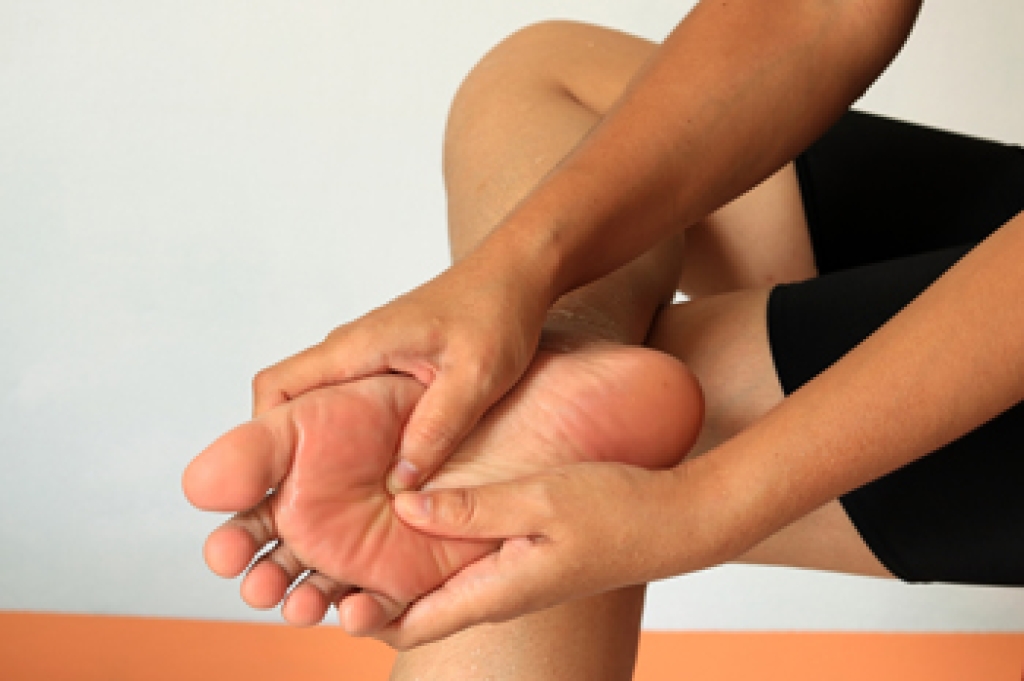
Persistent pain in the ball of the foot, termed metatarsalgia, can affect walking, standing, and other daily activities. One major cause of metatarsalgia is increased pressure on the forefoot, often linked to high-impact activities, prolonged standing, or footwear without proper cushioning. Structural issues such as high arches, flat feet, bunions, or hammertoes can also shift weight forward and strain the metatarsal bones. Inflammation of surrounding soft tissues, nerve irritation like Morton’s neuroma, and stress fractures may also contribute to discomfort in this area. A podiatrist can evaluate foot structure, gait, and activity level to identify the underlying cause of pain. Treatment includes footwear guidance, custom orthotics, padding, activity modification, and other medical interventions based on the diagnosis. If you are experiencing pain in the ball of the foot, it is suggested that you make an appointment with a podiatrist for an exam, diagnosis, and treatment.

Foot Pain

Foot pain can be extremely painful and debilitating. If you have a foot pain, consult with Dr. Rouder from S.I. Podiatry. Our doctor will assess your condition and provide you with quality foot and ankle treatment.

Causes

Foot pain is a very broad condition that could be caused by one or more ailments. The most common include:

  • Bunions
  • Hammertoes
  • Plantar Fasciitis
  • Bone Spurs
  • Corns
  • Tarsal Tunnel Syndrome
  • Ingrown Toenails
  • Arthritis (such as Gout, Rheumatoid, and Osteoarthritis)
  • Flat Feet
  • Injury (from stress fractures, broken toe, foot, ankle, Achilles tendon ruptures, and sprains)
  • And more

Diagnosis

To figure out the cause of foot pain, podiatrists utilize several different methods. This can range from simple visual inspections and sensation tests to X-rays and MRI scans. Prior medical history, family medical history, and any recent physical traumatic events will all be taken into consideration for a proper diagnosis.

Treatment

Treatment depends upon the cause of the foot pain. Whether it is resting, staying off the foot, or having surgery; podiatrists have a number of treatment options available for foot pain.

If you have any questions, please feel free to contact our office located in Staten Island, NY . We offer the newest diagnostic and treatment technologies for all your foot care needs.

Read more about Foot Pain

Cracked Heels and How to Restore Smooth Skin

Cracked heels are splits in the thick skin on the heel that develop when the skin becomes dry, hard, or endures too much pressure. They can be painful and may worsen if not cared for properly. Causes include cold weather, long periods of standing on hard surfaces, wearing open back shoes, vitamin deficiencies, and conditions such as hypothyroidism that affect skin health. These cracks can deepen over time, making walking uncomfortable and increasing the risk of infection. A podiatrist can remove thickened skin safely, recommend moisturizing treatments, and identify any underlying conditions contributing to the problem. If your heels feel dry, painful, or cracked, it is suggested that you consult a podiatrist who can effectively treat this condition, which may include prescribed medication.

If the skin on your feet starts to crack, you may want to see a podiatrist to find treatment. If you have any concerns, contact Dr. Rouder from S.I. Podiatry. Our doctor can provide the care you need to keep you pain-free and on your feet.

Cracked Heels

It is important to moisturize your cracked heels in order to prevent pain, bleeding, and infection. The reason cracked heels form is because the skin on the foot is too dry to support the immense pressure placed on them. When the foot expands, the dry skin on the foot begins to split.

Ways to Help Heal Them

  • Invest in a good foot cream
  • Try Using Petroleum Jelly
  • Ease up on Soaps
  • Drink Plenty of Water

Ways to Prevent Cracked Heels

  • Moisturize After Showering
  • Skip a Shower
  • Keep Shower Water Lukewarm
  • Don’t Scrub Your Feet

If you are unsure how to proceed in treating cracked heels, seek guidance from a podiatrist. Your doctor will help you with any questions or information you may need. 

If you have any questions, please feel free to contact our office located in Staten Island, NY . We offer the newest diagnostic and treatment technologies for all your foot care needs.

Read more about Solutions for Cracked Heels

Choosing Proper Footwear for Children

Choosing proper footwear for children is essential for healthy foot development, balance, and overall comfort as they grow. Shoes should support natural movement while protecting developing feet during daily activities. Infants benefit from soft, flexible shoes that allow natural motion, while toddlers need lightweight shoes with room for growing toes and stable soles for early walking. Additionally, school-age children require supportive shoes with cushioning and structure for active play, and adolescents need footwear that balances comfort, durability, and sport-specific support. Poor shoe choices may contribute to pain, posture issues, or foot deformities over time. A podiatrist can evaluate foot structure, gait, and growth patterns, and recommend appropriate footwear or orthotics, when needed. If your child has foot discomfort or you have questions about shoe selection, it is suggested that you consult a podiatrist for expert guidance and an appropriate treatment plan.

The health of a child’s feet is vital to their overall well-being. If you have any questions regarding foot health, contact Dr. Rouder of S.I. Podiatry. Our doctor can provide the care you need to keep you pain-free and on your feet.

Tips for Keeping Children's Feet Healthy

  • Make sure their shoes fit properly
  • Look for any signs of in-toeing or out-toeing
  • Check to see if they have Clubfoot (condition that affects your child’s foot and ankle, twisting the heel and toes inward) which is one of the most common nonmajor birth defects.
  • Lightly cover your baby’s feet (Tight covers may keep your baby from moving their feet freely, and could prevent normal development)
  • Allow your toddler to go shoeless (Shoes can be restricting for a young child’s foot)
  • Cut toenails straight across to avoid ingrown toenails
  • Keep your child’s foot clean and dry
  • Cover cuts and scrapes. Wash any scratches with soap and water and cover them with a bandage until they’ve healed.

If you have any questions, please feel free to contact our office located in Staten Island, NY . We offer the newest diagnostic and treatment technologies for all your foot care needs.

Read more about How to Care for Your Child's Feet

Connect With Us