
An Effective Stretch for an Achilles Tendon Injury

The Achilles tendon is considered to be the thickest and strongest tendon in the body. It connects the calf muscles to the heel and enables the patient to point and flex the foot. The Achilles tendon can become injured in an accident or due to improper warming up and cooling down before exercising. Some of the symptoms associated with an Achilles tendon injury can consist of heel pain while running and the back of the calf may feel stiff and tight. It is important to stop running when this type of injury occurs, as ample time is needed for the tendon to heal. It may be beneficial to perform stretches that can help to improve flexibility and range of motion of the Achilles tendon. An effective exercise is known as the eccentric heel drop. This is practiced by standing on a step and lowering the heel until a gentle stretch is felt. It can also be done facing a wall like the picture shows. If you have incurred an Achilles tendon injury it is strongly advised that you confer with a podiatrist who can offer you the correct treatment options.

Achilles tendon injuries need immediate attention to avoid future complications. If you have any concerns, contact Dr. Rouder of S.I. Podiatry. Our doctor can provide the care you need to keep you pain-free and on your feet.

What Is the Achilles Tendon?

The Achilles tendon is a tendon that connects the lower leg muscles and calf to the heel of the foot. It is the strongest tendon in the human body and is essential for making movement possible. Because this tendon is such an integral part of the body, any injuries to it can create immense difficulties and should immediately be presented to a doctor.

What Are the Symptoms of an Achilles Tendon Injury?

There are various types of injuries that can affect the Achilles tendon. The two most common injuries are Achilles tendinitis and ruptures of the tendon.

Achilles Tendinitis Symptoms

  • Inflammation
  • Dull to severe pain
  • Increased blood flow to the tendon
  • Thickening of the tendon

Rupture Symptoms

  • Extreme pain and swelling in the foot
  • Total immobility

Treatment and Prevention

Achilles tendon injuries are diagnosed by a thorough physical evaluation, which can include an MRI. Treatment involves rest, physical therapy, and in some cases, surgery. However, various preventative measures can be taken to avoid these injuries, such as:

  • Thorough stretching of the tendon before and after exercise
  • Strengthening exercises like calf raises, squats, leg curls, leg extensions, leg raises, lunges, and leg presses

If you have any questions please feel free to contact our office located in Staten Island, NY . We offer the newest diagnostic tools and technology to treat your foot and ankle needs.
Read more about Achilles Tendon Injuries

What Does a Plantar Wart Look Like?

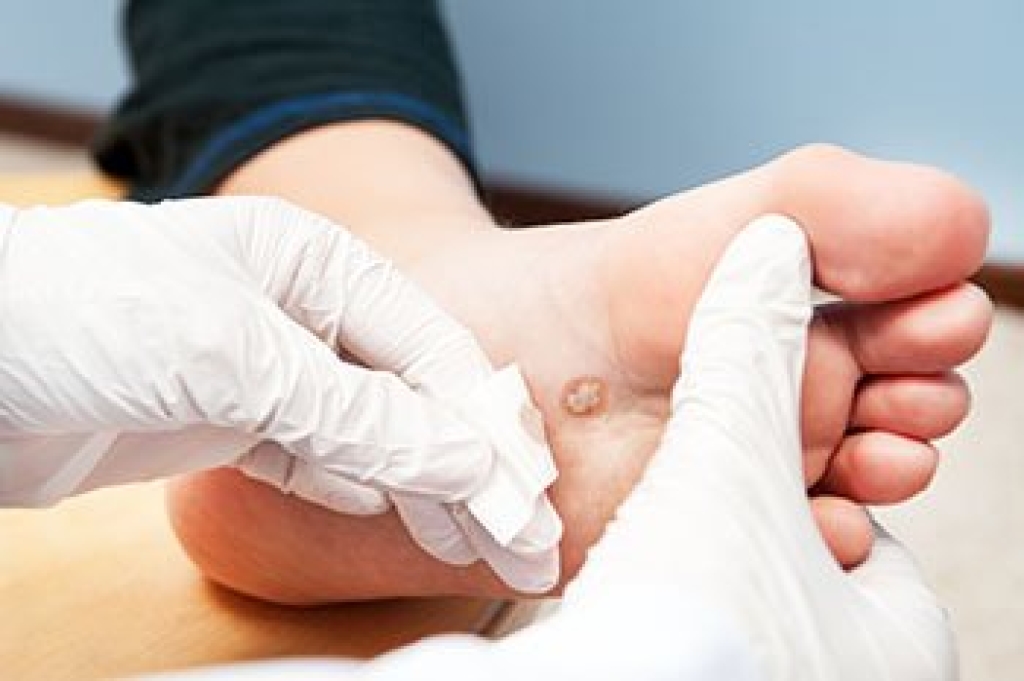
The human papillomavirus (HPV) is responsible for the development of plantar warts. It is defined as a wart that forms on the bottom of the foot, and grows inward as a result of the weight the feet bear on a daily basis. They are contagious, and this particular virus lives in warm and moist environments which can include public swimming pools, shower room floors, and locker rooms. It is beneficial to wear appropriate shoes while in these areas, and to refrain from sharing towels, shoes, and socks. This may help to prevent the spread of HPV. Plantar warts appear as small hardened areas of skin with tiny black dots in the center, and can cause severe pain and discomfort. Plantar warts can make it difficult to walk, and it is suggested that you consult a podiatrist who can properly treat or remove this type of wart.

Plantar warts can be very uncomfortable. If you need your feet checked, contact Dr. Rouder from S.I. Podiatry. Our doctor will assist you with all of your foot and ankle needs.

About Plantar Warts

Plantar warts are the result of HPV, or human papillomavirus, getting into open wounds on the feet. They are mostly found on the heels or balls of the feet.

While plantar warts are generally harmless, those experiencing excessive pain or those suffering from diabetes or a compromised immune system require immediate medical care. Plantar warts are easily diagnosed, usually through scraping off a bit of rough skin or by getting a biopsy.

Symptoms

  • Lesions on the bottom of your feet, usually rough and grainy
  • Hard or thick callused spots
  • Wart seeds, which are small clotted blood vessels that look like little black spots
  • Pain, discomfort, or tenderness of your feet when walking or standing

Treatment

  • Freezing
  • Electric tool removal
  • Laser Treatment
  • Topical Creams (prescription only)
  • Over-the-counter medications

To help prevent developing plantar warts, avoid walking barefoot over abrasive surfaces that can cause cuts or wounds for HPV to get into. Avoiding direct contact with other warts, as well as not picking or rubbing existing warts, can help prevent the further spread of plantar warts. However, if you think you have developed plantar warts, speak to your podiatrist. He or she can diagnose the warts on your feet and recommend the appropriate treatment options.

If you have any questions, please feel free to contact our office located in Staten Island, NY . We offer the newest diagnostic and treatment technologies for all your foot care needs.

Read more about What Are Plantar Warts?

Gout Is a Form of Arthritis

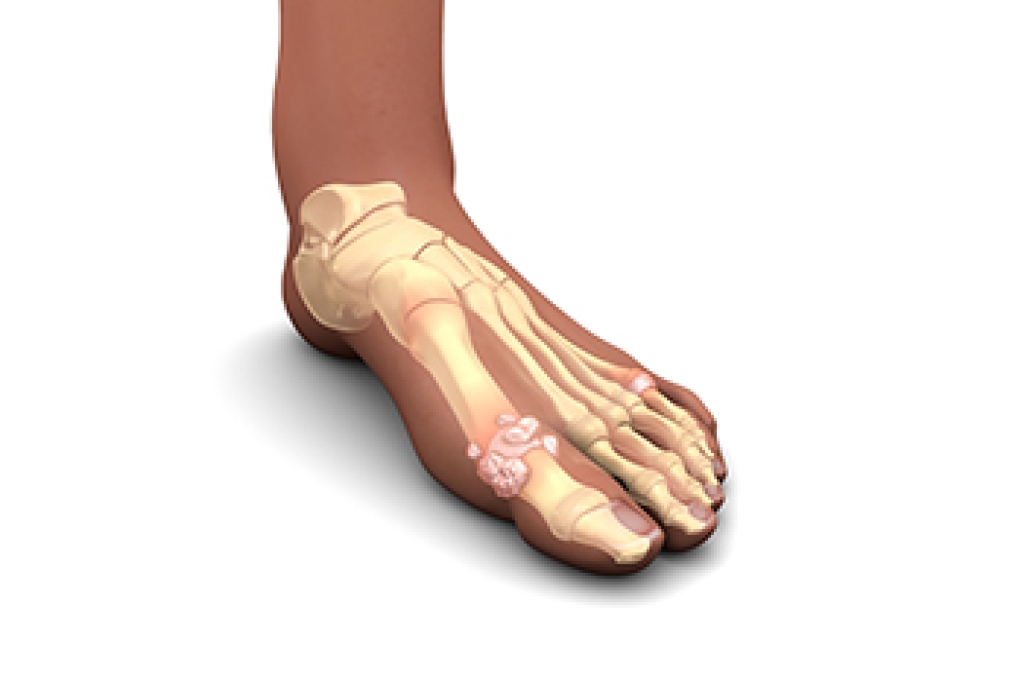
Gout is an extremely painful form of arthritis. The pain and discomfort that many gout patients experience are the result of uric acid crystals that are caught between the joints of the feet. The big toe is generally affected by gout, and the pain that is associated with this condition can be debilitating. Gout may develop from genetic factors, or from eating foods that contain high levels of purines. These types of foods and drinks include red meat, shellfish, excess alcohol, and drinks that are made with large amounts of sugar. It is important to eat foods that are healthy and to engage in a regular exercise regime that may help to prevent painful gout attacks. Additionally, when blood pressure and weight are kept at a normal range, gout attacks may be reduced. Relief also may be found when adequate rest is gotten daily and the weight of blankets and sheets is kept off of the affected foot. If you suffer from gout, please seek the counsel of a podiatrist who can effectively treat this condition.

Gout is a painful condition that can be treated. If you are seeking treatment, contact Dr. Rouder from S.I. Podiatry. Our doctor will treat your foot and ankle needs.

What Is Gout?

Gout is a form of arthritis that is characterized by sudden, severe attacks of pain, redness, and tenderness in the joints. The condition usually affects the joint at the base of the big toe. A gout attack can occur at any random time, such as the middle of the night while you are asleep.

Symptoms

  • Intense Joint Pain - Usually around the large joint of your big toe, and it most severe within the first four to twelve hours
  • Lingering Discomfort - Joint discomfort may last from a few days to a few weeks
  • Inflammation and Redness -Affected joints may become swollen, tender, warm and red
  • Limited Range of Motion - May experience a decrease in joint mobility

Risk Factors

  • Genetics - If family members have gout, you’re more likely to have it
  • Medications - Diuretic medications can raise uric acid levels
  • Gender/Age - Gout is more common in men until the age of 60. It is believed that estrogen protects women until that point
  • Diet - Eating red meat and shellfish increases your risk
  • Alcohol - Having more than two alcoholic drinks per day increases your risk
  • Obesity - Obese people are at a higher risk for gout

Prior to visiting your podiatrist to receive treatment for gout, there are a few things you should do beforehand. If you have gout you should write down your symptoms--including when they started and how often you experience them, important medical information you may have, and any questions you may have. Writing down these three things will help your podiatrist in assessing your specific situation so that he or she may provide the best route of treatment for you.

If you have any questions, please feel free to contact our office located in Staten Island, NY . We offer the newest diagnostic and treatment technologies for all your foot care needs.

Read more about Gout

Foot Conditions May Develop From Having Rheumatoid Arthritis

There are many people who suffer from the condition that is known as rheumatoid arthritis. The feet can become affected by this ailment which may lead to other foot conditions arising. Permanent relief may be found when foot surgery is performed. Rheumatoid arthritis may lead to the development of bunions. This produces a large, bony protrusion on the side of the big toe and may be the result of the toes shifting due to the arthritic disease. Bunion surgery involves cutting the affected bones in the foot and realigning them in a normal position. Additionally, arthritis may damage specific joints in the foot and a fusion may be needed that can help to reduce pain. There are many benefits to having foot surgery performed such as resuming normal functions of the feet, completing daily activities without pain, and wearing appropriate footwear. If you have chronic pain in your feet or you are afflicted with arthritis, please confer with a podiatrist who can determine if foot surgery is right for you.

Foot surgery is sometimes necessary to treat a foot ailment. To learn more, contact Dr. Rouder of S.I. Podiatry. Our doctor will assist you with all of your foot and ankle needs.

When Is Surgery Necessary?

Foot and ankle surgery is generally reserved for cases in which less invasive, conservative procedures have failed to alleviate the problem. Some of the cases in which surgery may be necessary include:

  • Removing foot deformities like bunions and bone spurs
  • Severe arthritis that has caused bone issues
  • Cosmetic reconstruction

What Types of Surgery Are There?

The type of surgery you receive will depend on the nature of the problem you have. Some of the possible surgeries include:

  • Bunionectomy for painful bunions
  • Surgical fusion for realignment of bones
  • Neuropathy decompression surgery to treat nerve damage

Benefits of Surgery

Although surgery is usually a last resort, it can provide more complete pain relief compared to non-surgical methods and may allow you to finally resume full activity.

Surgical techniques have also become increasingly sophisticated. Techniques like endoscopic surgery allow for smaller incisions and faster recovery times.

If you have any questions, please feel free to contact our office located in Staten Island, NY . We offer the newest diagnostic and treatment technologies for all your foot care needs.

Read more about Foot and Ankle Surgery

It's Time for Beautiful Feet

You don't need an excuse to have beautiful nails. Step outside without worrying about the appearance of your feet.

Connect With Us