Connect With Us
Blog
Items filtered by date: October 2023
Tuesday, 31 October 2023 00:00
All You Need to Know About Athlete’s Foot
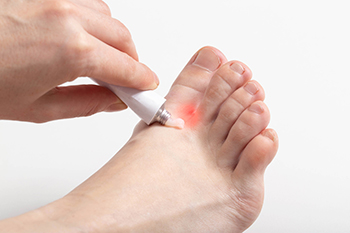
Athlete's foot, also known as tinea pedis, is a skin infection caused by dermatophytes, a type of mold-like fungi. These fungi naturally reside in the skin folds of the foot and generally remain in check if the foot is kept clean and dry. However, conditions like wearing tight, closed shoes or plastic footwear can create a warm, moist environment that promotes fungal growth. The two main fungi responsible for athlete's foot are trichophyton rubrum, which causes moccasin-like lesions and tends to be chronic, and trichophyton mentagrophytes, causing sudden, severe blister-like lesions between the toes. Both conditions are contagious and can be spread through direct skin-to-skin contact or indirectly via contaminated objects like towels, shoes, or wet floors. The risk of contracting athlete's foot increases with age and is higher among those with weakened immune systems. If you have athlete’s foot, it is strongly suggested that you make an appointment with a podiatrist for treatment.
Athlete’s Foot
Athlete’s foot is often an uncomfortable condition to experience. Thankfully, podiatrists specialize in treating athlete’s foot and offer the best treatment options. If you have any questions about athlete’s foot, consult with Dr. Rouder from S.I. Podiatry. Our doctor will assess your condition and provide you with quality treatment.
What Is Athlete’s Foot?
Tinea pedis, more commonly known as athlete’s foot, is a non-serious and common fungal infection of the foot. Athlete’s foot is contagious and can be contracted by touching someone who has it or infected surfaces. The most common places contaminated by it are public showers, locker rooms, and swimming pools. Once contracted, it grows on feet that are left inside moist, dark, and warm shoes and socks.
Prevention
The most effective ways to prevent athlete’s foot include:
- Thoroughly washing and drying feet
- Avoid going barefoot in locker rooms and public showers
- Using shower shoes in public showers
- Wearing socks that allow the feet to breathe
- Changing socks and shoes frequently if you sweat a lot
Symptoms
Athlete’s foot initially occurs as a rash between the toes. However, if left undiagnosed, it can spread to the sides and bottom of the feet, toenails, and if touched by hand, the hands themselves. Symptoms include:
- Redness
- Burning
- Itching
- Scaly and peeling skin
Diagnosis and Treatment
Diagnosis is quick and easy. Skin samples will be taken and either viewed under a microscope or sent to a lab for testing. Sometimes, a podiatrist can diagnose it based on simply looking at it. Once confirmed, treatment options include oral and topical antifungal medications.
If you have any questions, please feel free to contact our office located in Staten Island, NY . We offer the newest diagnostic and treatment technologies for all your foot care needs.
Tuesday, 24 October 2023 00:00
The Development of a Bunion
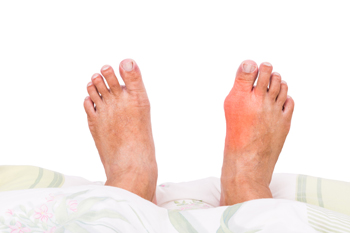
Bunions, a common foot condition, can cause significant discomfort and affect daily life. Understanding the causes behind their development is important in finding effective preventive measures and treatments. Often, bunions are inherited, as a result of genetic factors influencing foot structure and mechanics. Wearing tight or ill-fitting shoes, especially those with pointed toes or high heels, can exert pressure on the toes and contribute to bunion formation. Foot stress and overuse, commonly seen in athletes or individuals with occupations that require prolonged standing, can also aggravate bunions. Additionally, medical conditions such as arthritis may increase the risk of developing bunions. Gender plays a role, with women being more susceptible due to wearing footwear that cramps the toes. Recognizing these causes empowers individuals to make informed choices regarding footwear and foot care. If you have a bunion, it is suggested that you are under the care of a podiatrist who can help you to manage this condition, and offer potential relief options.
If you are suffering from bunions, contact Dr. Rouder of S.I. Podiatry. Our doctor can provide the care you need to keep you pain-free and on your feet.
What Is a Bunion?
A bunion is formed of swollen tissue or an enlargement of boney growth, usually located at the base joint of the toe that connects to the foot. The swelling occurs due to the bones in the big toe shifting inward, which impacts the other toes of the foot. This causes the area around the base of the big toe to become inflamed and painful.
Why Do Bunions Form?
Genetics – Susceptibility to bunions are often hereditary
Stress on the feet – Poorly fitted and uncomfortable footwear that places stress on feet, such as heels, can worsen existing bunions
How Are Bunions Diagnosed?
Doctors often perform two tests – blood tests and x-rays – when trying to diagnose bunions, especially in the early stages of development. Blood tests help determine if the foot pain is being caused by something else, such as arthritis, while x-rays provide a clear picture of your bone structure to your doctor.
How Are Bunions Treated?
- Refrain from wearing heels or similar shoes that cause discomfort
- Select wider shoes that can provide more comfort and reduce pain
- Anti-inflammatory and pain management drugs
- Orthotics or foot inserts
- Surgery
If you have any questions, please feel free to contact our office located in Staten Island, NY . We offer the newest diagnostic and treatment technologies for all your foot care needs.
Tuesday, 17 October 2023 00:00
Causes of Foot Stress Fractures
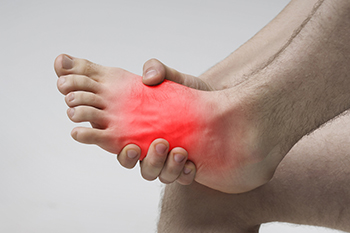
Stress fractures are tiny cracks in the bones that can result from excessive pounding or pressure and repeated trauma. One of the most common causes of stress fractures is engaging in high-impact activities. Sports like gymnastics, track and field and tennis, which involve constant pounding on hard surfaces, can put tremendous stress on the bones of your feet. Another significant cause is making sudden changes in the duration, frequency, or intensity of physical activity. Pushing your body too hard without adequate rest and recovery often leads to stress fractures. Wearing ill-fitting or worn-out running shoes without proper foot support can also contribute to stress fractures. Sometimes, anatomical abnormalities like flat feet or high rigid arches can increase your risk of developing stress fractures. Repetitive stress from exercises, especially in sports, can weaken bones over time, making them more susceptible to stress fractures. If you have had a stress fracture in the past, you may be at higher risk of experiencing another one. Women are more prone to stress fractures from osteoporosis, low bone density, irregular menstruation, and poor nutrition. Symptoms of stress fractures can be tricky to diagnose, as they may not show up on X-rays in the early stages. However, common symptoms can include a dull, generalized pain, swelling, and tenderness in a specific spot. This discomfort may worsen during activities and can persist even at rest if left untreated. If you suspect you may have a foot stress fracture, it is suggested that you make an appointment with a podiatrist for an exam and treatment options.
Activities where too much pressure is put on the feet can cause stress fractures. To learn more, contact Dr. Rouder from S.I. Podiatry. Our doctor can provide the care you need to keep your pain free and on your feet.
Dealing with Stress Fractures of the Foot and Ankle
Stress fractures occur in the foot and ankle when muscles in these areas weaken from too much or too little use. The feet and ankles then lose support when walking or running from the impact of the ground. Since there is no protection, the bones receive the full impact of each step. Stress on the feet can cause cracks to form in the bones, thus creating stress fractures.
What Are Stress Fractures?
Stress fractures occur frequently in individuals whose daily activities cause great impact on the feet and ankles. Stress factors are most common among:
- Runners
- People affected with Osteoporosis
- Tennis or basketball players
- Gymnasts
- High impact workouts
Symptoms
Pain from the fractures occur in the area of the fractures and can be constant or intermittent. It will often cause sharp or dull pain with swelling and tenderness. Engaging in any kind of activity which involves high impact will aggravate pain.
If you have any questions please feel free to contact our office located in Staten Island, NY . We offer the newest diagnostic and treatment technologies for all your foot and ankle needs.
Tuesday, 10 October 2023 00:00
Running Shoes That Support Ankles
Studies show that ankle sprains are the most common injury experienced among runners. Additionally, if you have experienced an ankle sprain in the past, you are 75 percent more likely to develop chronic ankle instability. As a result, choosing the right running shoe is of paramount importance to avoid these outcomes. First, opt for shoes with a high-top design or added ankle padding. These features can help stabilize the ankle joint and reduce the risk of sprains and strains during your runs. Additionally, a snug and secure fit around the ankle area, particularly at the heel, is essential. Look for shoes with padded collars and lacing systems that allow you to adjust the tightness to your comfort level. Cushioning is another key factor in finding shoes with adequate ankle support. Shoes with ample cushioning in the heel and midsole provide shock absorption, which helps minimize the impact on the ankles. Further, choose running shoes with a durable outsole that offers excellent traction, ensuring a stable and confident stride. Finally, take into account the type of terrain you typically run on when deciding on the right shoes. For more information on protecting your ankles while running, it is suggested that you make an appointment with a podiatrist.
You should always make sure your running shoes fit properly in order to avoid injury. For more information, contact Dr. Rouder from S.I. Podiatry. Our doctor can provide the care you need to keep you pain-free and on your feet.
Choosing the Right Running Shoe for Your Foot Type
Improper shoe sizing can cause a myriad of problems for your feet. Shoes that don’t fit you properly can lead to muscular imbalances in your body, which can result in foot, knee, and hip injuries.
Tips for Finding the Right Running Shoe
- Make sure you have a thumb’s width of wiggle room between the end of your longest toe and the front of the shoe.
- There should be little to no slipping at the heel
- Don’t assume your size in one shoe brand will be your size in another
- Do not lace up your shoes too tightly
- Walk around in the store with your new shoes before you buy them
If you have any questions please feel free to contact our our office located in Staten Island, NY . We offer the newest diagnostic and treatment technologies for all your foot and ankle needs.
Wednesday, 04 October 2023 00:00
Are You Suffering From Ingrown Toenails?

If left untreated, an ingrown toenail can lead to more serious concerns, such as an infection. Knowing proper nail care can help in the prevention of an ingrown toenail. Give us a call, and get treated!
Tuesday, 03 October 2023 00:00
Securing the Home for Effective Fall Prevention
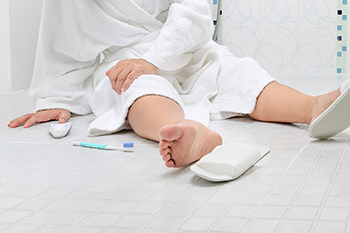
Accidents can happen anywhere, but our homes should be a sanctuary of safety. One common but preventable mishap is falling within the household. These accidents can result in injuries ranging from minor scrapes to foot injuries, making fall prevention a top priority. This can begin with ensuring your home is well lit, especially in high traffic areas and staircases. Removing clutter and hazards from walkways, such as loose rugs or cords, and securing them to the floor or wall are effective fall prevention techniques. Installing handrails on stairs and grab bars in bathrooms is useful for added support. Consider using non-slip mats in the shower and bathtub. Regularly inspect and maintain your flooring to prevent tripping over loose tiles or damaged areas. Wear appropriate footwear with good grip, and be cautious on wet or slippery surfaces. Additionally, it is beneficial to stay active and that can help to maintain strength and balance, reducing the risk of falls. Taking these precautions can transform your home into a safe haven, where the threat of falling is minimized. If you would like more information about how falling can affect the feet in addition to learning about successful prevention methods, it is suggested that you confer with a podiatrist.
Preventing falls among the elderly is very important. If you are older and have fallen or fear that you are prone to falling, consult with Dr. Rouder from S.I. Podiatry. Our doctor will assess your condition and provide you with quality advice and care.
Every 11 seconds, an elderly American is being treated in an emergency room for a fall related injury. Falls are the leading cause of head and hip injuries for those 65 and older. Due to decreases in strength, balance, senses, and lack of awareness, elderly persons are very susceptible to falling. Thankfully, there are a number of things older persons can do to prevent falls.
How to Prevent Falls
Some effective methods that older persons can do to prevent falls include:
- Enrolling in strength and balance exercise program to increase balance and strength
- Periodically having your sight and hearing checked
- Discuss any medications you have with a doctor to see if it increases the risk of falling
- Clearing the house of falling hazards and installing devices like grab bars and railings
- Utilizing a walker or cane
- Wearing shoes that provide good support and cushioning
- Talking to family members about falling and increasing awareness
Falling can be a traumatic and embarrassing experience for elderly persons; this can make them less willing to leave the house, and less willing to talk to someone about their fears of falling. Doing such things, however, will increase the likelihood of tripping or losing one’s balance. Knowing the causes of falling and how to prevent them is the best way to mitigate the risk of serious injury.
If you have any questions, please feel free to contact our office located in Staten Island, NY . We offer the newest diagnostic and treatment technologies for all your foot care needs.
