
Choosing the Best Shoes for Heel Pain

Heel pain can turn the first steps of the morning or a short walk into an uncomfortable task. Several problems can cause it. Plantar fasciitis involves irritation of the strong band of tissue that runs along the sole and supports the arch. Pain can also come from an irritated Achilles tendon or the cushioning beneath the heel. Running, prolonged standing, and a sudden increase in activity can place extra stress on this area. Foot shape can also affect how pressure reaches the heel.

Shoes play an important role in improving heel comfort, but the right design depends on the cause of the pain. Shoes wear down with use, and replacing an old pair can sometimes reduce symptoms. A firm heel counter, proper arch support, and a stable sole can control unwanted movement. Runners may benefit from cushioning. However, too much padding can allow greater movement and make certain problems worse. Shoes should hold the foot securely. They should bend near the ball of the foot rather than through the middle. People with flat feet or an unusual walking pattern need guidance because a high arch may increase pressure. A podiatrist can examine the feet and shoes to recommend a suitable design.

A podiatrist locates the painful area and checks how the foot moves. The examination can identify poor alignment, limited ankle motion, or an injury requiring imaging tests. Treatment includes shoe recommendations, custom orthotics, or supportive padding. An orthotic is a device placed inside a shoe to improve support and distribute pressure evenly. A podiatrist can also advise patients about safe activity changes and determine when care is appropriate. Prompt evaluation matters when pain is severe, follows an injury, or occurs with swelling. Lasting discomfort should be assessed before it changes the way a person walks and creates strain elsewhere. If you have heel pain after running, it is suggested that you schedule an appointment with a podiatrist for a diagnosis and appropriate treatment.

Many people suffer from bouts of heel pain. For more information, contact the podiatrists of S.I. Podiatry. Our doctors can provide the care you need to keep you pain-free and on your feet.

Causes of Heel Pain

Heel pain is often associated with plantar fasciitis. The plantar fascia is a band of tissues that extends along the bottom of the foot. A rip or tear in this ligament can cause inflammation of the tissue.

Achilles tendonitis is another cause of heel pain. Inflammation of the Achilles tendon will cause pain from fractures and muscle tearing. Lack of flexibility is also another symptom.

Heel spurs are another cause of pain. When the tissues of the plantar fascia undergo a great deal of stress, it can lead to ligament separation from the heel bone, causing heel spurs.

Why Might Heel Pain Occur?

  • Wearing ill-fitting shoes                
  • Wearing non-supportive shoes
  • Weight change           
  • Excessive running

Treatments

Heel pain should be treated as soon as possible for immediate results. Keeping your feet in a stress-free environment will help. If you suffer from Achilles tendonitis or plantar fasciitis, applying ice will reduce the swelling. Stretching before an exercise like running will help the muscles. Using all these tips will help make heel pain a condition of the past.

If you have any questions, please feel free to contact our office located in Staten Island, NY . We offer the newest diagnostic and treatment technologies for all your foot care needs.

Read more about Heel Pain

How Peripheral Neuropathy Affects the Feet

Peripheral neuropathy occurs when nerves outside the brain and spinal cord become damaged. In the feet, it can change how a person feels touch, pain, and temperature. Symptoms include numbness, tingling, and burning pain. Some patients also notice unusual sensitivity or a feeling that they are walking on a pebble or bunched-up sock. Weak foot muscles can affect balance and increase the risk of falling. Because numbness can hide a cut or blister, a small injury may worsen before the patient notices it.

Diabetes is a leading cause of peripheral neuropathy, especially when blood sugar is not well controlled. Other causes include vitamin deficiencies, nerve pressure, and certain illnesses. Injury and heavy alcohol use can also damage nerves. A podiatrist can review the patient's health history and perform a careful foot examination. Testing can check sensation, muscle strength, and reflexes. The podiatrist can also examine circulation and check for skin damage. Further testing may be needed to identify why the nerves are not working properly. This helps guide care and protect the feet from injury.

Podiatric care focuses on protecting the feet, improving stability, and preventing serious problems. A podiatrist can treat corns, calluses, or wounds that place the skin at risk. Regular nail and skin care can reduce the chance of injury, especially when patients cannot feel their feet clearly. Custom orthotics can improve pressure distribution and make the feet more stable while walking. The podiatrist can also recommend properly-fitted shoes with enough depth and cushioning. When a wound is present, care includes pressure relief, infection control, and close monitoring. Severe infections can threaten the health of the foot, and, in advanced cases, may lead to limb loss. Routine examinations allow the podiatrist to track changes in sensation and spot problems before they become more serious. If you have symptoms of peripheral neuropathy, it is suggested that you schedule an appointment with a podiatrist for effective relief and management tips. 

Neuropathy

Neuropathy can be a potentially serious condition, especially if it is left undiagnosed. If you have any concerns that you may be experiencing nerve loss in your feet, consult with the podiatrists from S.I. Podiatry. Our doctors will assess your condition and provide you with quality foot and ankle treatment for neuropathy.

What Is Neuropathy?

Neuropathy is a condition that leads to damage to the nerves in the body. Peripheral neuropathy, or neuropathy that affects your peripheral nervous system, usually occurs in the feet. Neuropathy can be triggered by a number of different causes. Such causes include diabetes, infections, cancers, disorders, and toxic substances.

Symptoms of Neuropathy Include:

  • Numbness
  • Sensation loss
  • Prickling and tingling sensations
  • Throbbing, freezing, burning pains
  • Muscle weakness

Those with diabetes are at serious risk due to being unable to feel an ulcer on their feet. Diabetics usually also suffer from poor blood circulation. This can lead to the wound not healing, infections occurring, and the limb may have to be amputated.

Treatment

To treat neuropathy in the foot, podiatrists will first diagnose the cause of the neuropathy. Figuring out the underlying cause of the neuropathy will allow the podiatrist to prescribe the best treatment, whether it be caused by diabetes, toxic substance exposure, infection, etc. If the nerve has not died, then it’s possible that sensation may be able to return to the foot.

Pain medication may be issued for pain. Electrical nerve stimulation can be used to stimulate nerves. If the neuropathy is caused from pressure on the nerves, then surgery may be necessary.

If you have any questions, please feel free to contact our office located in Staten Island, NY . We offer the newest diagnostic and treatment technologies for all your foot care needs.

Read more about Neuropathy

Foot Pain During Pregnancy

Pregnancy can bring noticeable changes to the feet as the body adjusts to added weight and shifting balance. Swelling is one concern, especially later in pregnancy. Extra fluid can collect in the feet because of the baby's weight and position. Foot size can also change. A hormone called relaxin makes ligaments more flexible to prepare the body for delivery. This flexibility can allow the feet to become wider and longer, sometimes resulting in a permanent increase of up to half a shoe size.

Arch pain is another foot problem that can develop during pregnancy. Added weight can increase strain on the arches, while changes in foot structure can cause the arches to flatten. This flattening places extra stress on the plantar fascia, the strong band of tissue that supports the arch. Ingrown toenails can also develop when shoes become too tight as the feet swell or change size. Pressure from wearing tight shoes can push the nail into the surrounding skin, leading to tenderness and inflammation. These changes can make standing and walking less comfortable.

A podiatrist can evaluate pregnancy-related foot pain and determine what is causing the discomfort. Treatment can focus on relieving pressure, supporting the arches, and protecting painful areas of the feet. A podiatrist can recommend wearing properly fitted shoes and custom foot orthotics to improve support. An orthotic is a shoe insert designed to support the foot and improve its position. Podiatrists can also treat ingrown toenails safely and assess persistent swelling or pain. Professional foot care can help patients remain comfortable and active as their bodies change throughout pregnancy. If you have symptoms of pregnancy-related foot problems, it is suggested that you schedule an appointment with a podiatrist for effective relief and treatment solutions.

Pregnant women with swollen feet can be treated with a variety of different methods that are readily available. For more information about other cures for swollen feet during pregnancy, consult with the podiatrists from S.I. Podiatry. Our doctors will attend to all of your foot and ankle needs.

What Foot Problems Can Arise During Pregnancy?

One problem that can occur is overpronation, which occurs when the arch of the foot flattens and tends to roll inward.  This can cause pain and discomfort in your heels while you’re walking or even just standing up, trying to support your baby.  

Another problem is edema, or swelling in the extremities. This often affects the feet during pregnancy but tends to occur in the later stages. 

How Can I Keep My Feet Healthy During Pregnancy?

  • Wearing orthotics can provide extra support for the feet and help distribute weight evenly
  • Minimize the amount of time spent walking barefoot
  • Wear shoes with good arch support
  • Wear shoes that allow for good circulation to the feet
  • Elevate feet if you experience swelling
  • Massage your feet
  • Get regular, light exercise, such as walking, to promote blood circulation to the feet

If you have any questions, please feel free to contact our office located in Staten Island, NY . We offer the newest diagnostic and treatment technologies for all your foot care needs.
Read more about Foot Care for Pregnant Women

How Toenail Fungus Can Spread

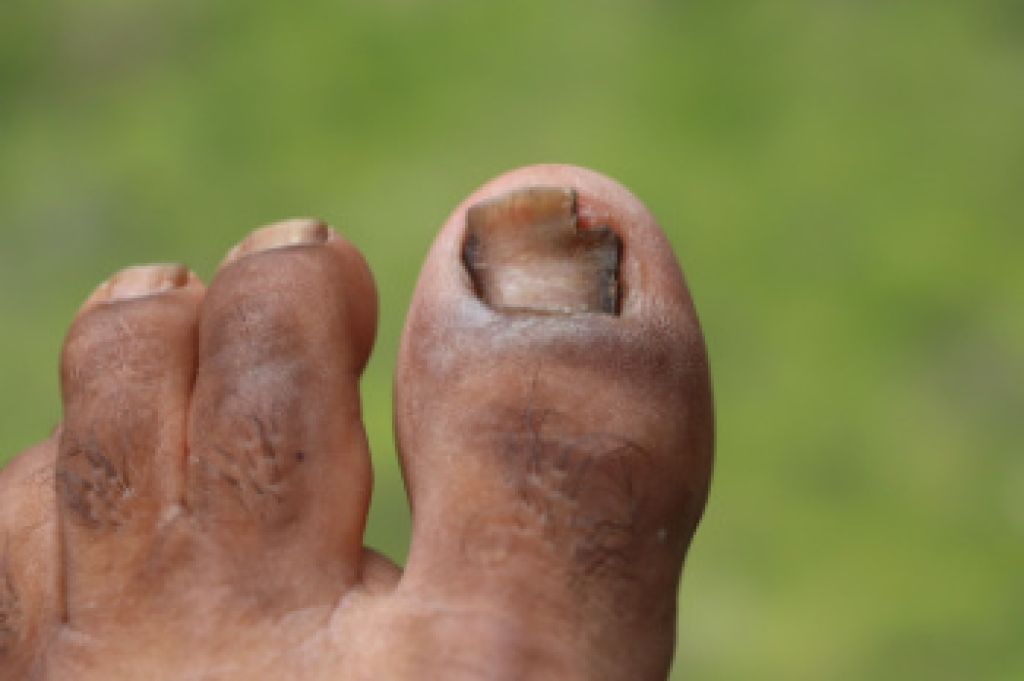
Toenail fungus is an infection that develops beneath the toenail and can affect people of any age. Older adults have a higher risk of developing it. The infection can begin under the tip of a toenail and gradually spread across the nail. Signs include discoloration, thickening, and brittleness. The edge of the nail can also begin to crumble. Different types of fungi can cause the infection. Toenail fungus can spread to the skin between the toes, where it can lead to athlete’s foot.

Certain health conditions can make toenail fungus more concerning. Diabetes or a weakened immune system can increase the risk of complications because the body has more difficulty fighting infection. An untreated fungal infection can spread beyond the toenails to other areas of the body. It can also permanently damage the affected nail. Toenail fungus can be difficult to eliminate and can return after treatment. Delaying care can make the infection harder to treat. For this reason, changes in nail color, texture, or thickness deserve attention before the problem becomes more severe.

A podiatrist can examine an affected toenail and determine whether fungus is responsible for the changes. This is important because other nail problems can resemble a fungal infection. Treatment depends on the severity of the infection and the patient’s health. A podiatrist can recommend appropriate antifungal treatment and monitor how the nail responds. In severe or painful cases, treatment can involve removing part or all of the affected nail. Because toenails grow slowly, visible improvement can take several months. Prompt treatment can also help reduce the chance that the infection will spread or cause lasting nail damage. If you have symptoms of toenail fungus, it is suggested that you schedule an appointment with a podiatrist for a diagnosis and appropriate treatment.

For more information about treatment, contact the podiatrists of S.I. Podiatry. Our doctors can provide the care you need to keep you pain-free and on your feet.

Toenail Fungus Treatment

Toenail fungus is a condition that affects many people and can be especially hard to get rid of. Fortunately, there are several methods to go about treating and avoiding it.

Antifungals & Deterrence

Oral antifungal medicine has been shown to be effective in many cases. It is important to consult with a podiatrist to determine the proper regiment for you, or potentially explore other options.

Applying foot powder on the feet and shoes helps keep the feet free of moisture and sweat.

Sandals or open toed shoes – Wearing these will allow air movement and help keep feet dry. They also expose your feet to light, which fungus cannot tolerate. Socks with moisture wicking material also help as well.

If you have any questions please contact our office located in Staten Island, NY . We offer the newest diagnostic and treatment technologies for all your foot and ankle needs.

Read more about How to Treat Your Toenail Fungus

Connect With Us